Rodent Removal in Tomball, TX
Tomball has two kinds of house, the raised frame homes around the 1907 depot and the brick-veneer slab subdivisions that followed State Highway 249 out from Houston, and rodents get into each a different way. The free inspection tells you which.
- Free crawl space or roofline inspection
- TDA-licensed contractors on every job
- Phone answered 24 hours a day
Free Inspection in Tomball
The free inspection on a Tomball house depends on which Tomball the house is in. In the old core around Main Street and the depot, whoever attends starts under the house, at the skirting and pier-and-beam crawl space, then works up to the soffits and roofline. In the subdivisions along State Highway 249 and FM 2920 it is a slab house with a vented shingle roof, so the inspection starts at the eave: soffit-to-brick joint, roof returns, weep gaps, vent bases and pipe boots. Either way the attic gets read for droppings and nesting and the quote separates trapping, sealing and cleanup.
Tomball is an incorporated city in northwest Harris County, roughly 30 miles from downtown Houston up State Highway 249, and it is inside the regular service area. The phone is answered 24 hours a day. Most people who call have already spent nights listening to the ceiling and being told they imagine it. Book a free inspection and we work out what has happened at the property.
Old Town Tomball is pier-and-beam; the 249 corridor is slab
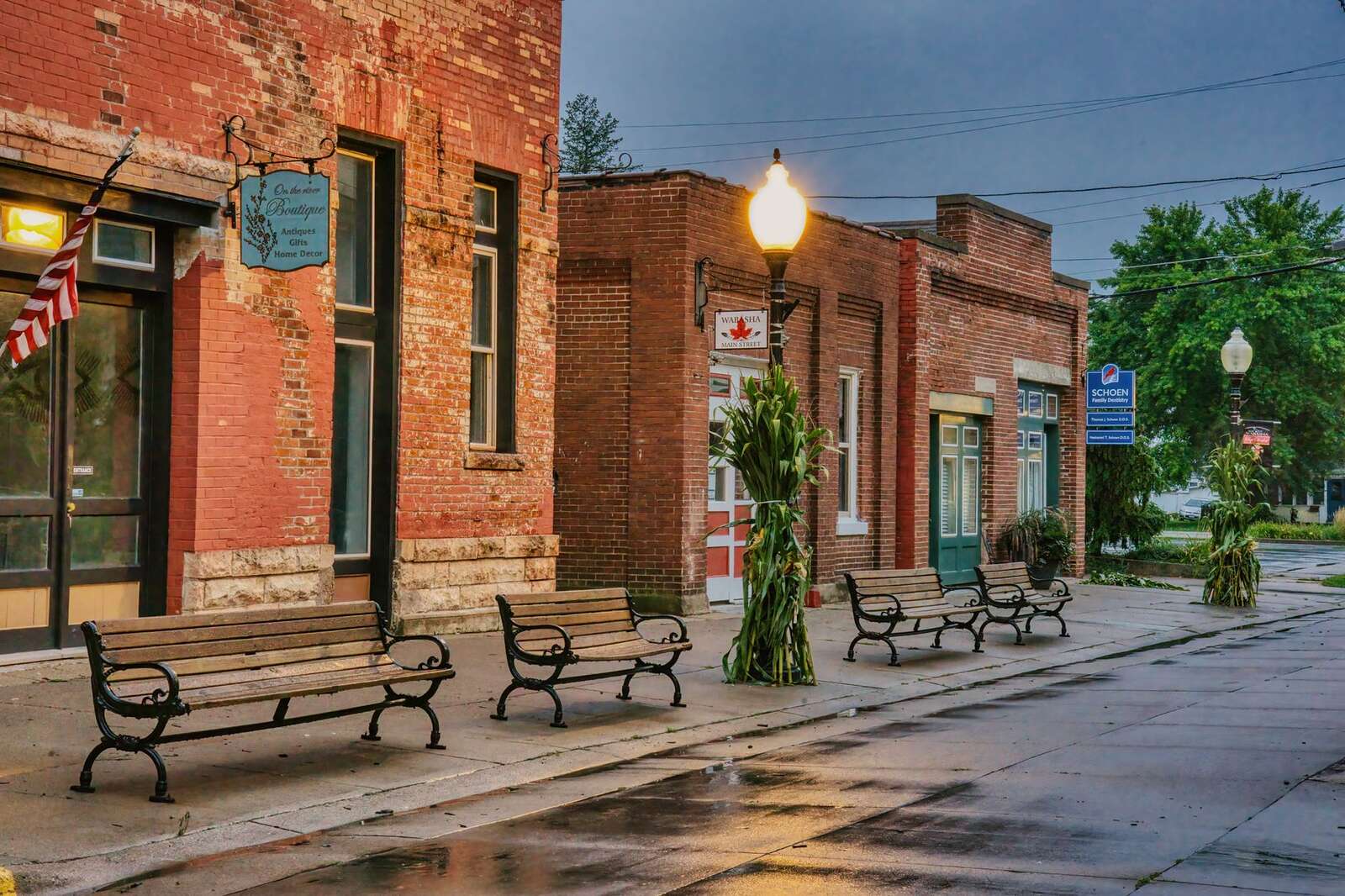
Tomball's housing splits along its own history, and the split decides where a rodent job happens. The town was platted on December 2, 1907 as a stop on the Trinity and Brazos Valley Railroad and named for the railroad attorney Thomas Ball; the 1907 depot now sits as a museum at Market and South Elm streets, moved there from Burroughs Park for the centennial in 2007. The oil field discovered on May 27, 1933 kept the town growing, and Humble Oil supplied residents with free gas and water in exchange for drilling rights until 1988. The houses from those decades around Old Town are wood frame on piers with open or loosely skirted crawl spaces, and they take Norway rats from below and roof rats from the oaks above, the same pattern as a Heights bungalow. Sealing there is crawl-space work: steel mesh at the skirting and foundation vents, and the soffit transitions closed.
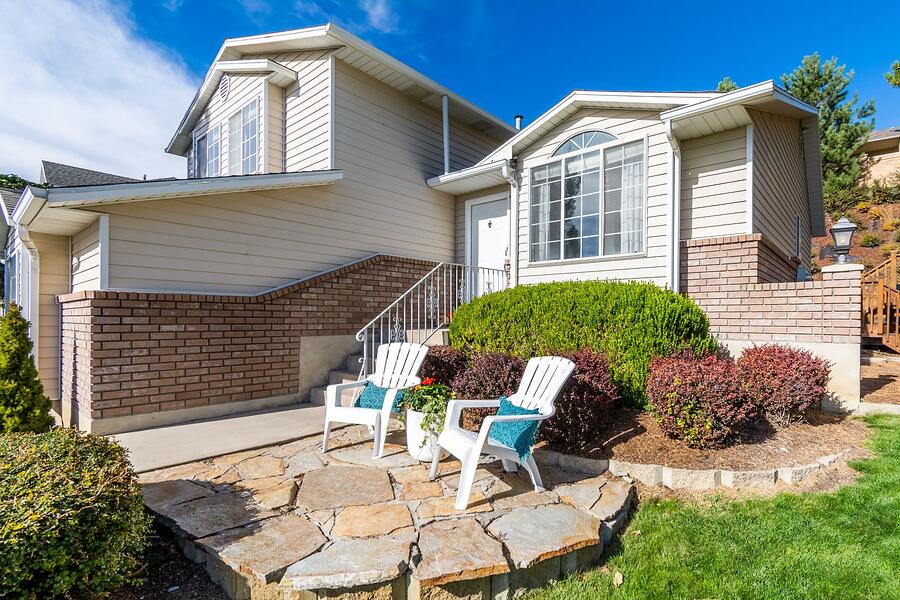
The growth since the 1980s ran along State Highway 249 and FM 2920, and the 2020 census counted 12,341 people inside the city with a great deal more in the unincorporated subdivisions around it. Those houses are brick-veneer slab builds with vented composition roofs and no crawl space, so entry moves to the roofline: the soffit-to-brick joint, roof returns, brick weep gaps, and the pipe boots and mushroom vent bases that Houston heat and ultraviolet crack within a few years. Roof rats reach them from the pines and oaks that line the older lots and along utility drops. UF/IFAS gives a quarter inch as the rat-proofing standard and describes the roof rat as arboreal, traveling along branches, wires and trunks.
The rodent exclusion page explains both kinds of sealing, and the free inspection tells you which one your house needs.
Spring Creek and Willow Creek put water and rodents into Tomball homes
Tomball's flood insurance study covers two watersheds, Spring Creek and Willow Creek, and both creeks are rodent corridors as well as flood sources. During Hurricane Harvey in August 2017, Community Impact reported homes near Spring, Willow, Mill and Walnut creeks taking floodwater, Willow Creek out of its banks in town, and State Highway 249 closed at the Spring Creek bridge. The City of Tomball's own floodplain page notes that about a third of flood loss claims come from property outside the mapped 100-year floodplain, which is a way of saying that houses well away from the creek got wet too.
Floodwater drives Norway rats and mice out of creek-bank burrows, storm drains and low harborage and into garages and attics, and Houston pest firms reported to local news after Harvey that rodents moved into attics across the region. The CDC connects increases in leptospirosis to hurricanes and floods, lists rodents among the reservoirs, and recommends rodent control as post-flood prevention. Hurricane Beryl on July 8, 2024 was the wind event: Community Impact recorded close to six inches of rain in the Tomball area over July 7 to 11, fallen trees on power lines along the roads north of town, and a tree debris drop-off opened at the old landfill on Rudolph Road. A limb that lifts a soffit panel or tears fascia is an opening a rat finds before the homeowner does.
A house that took water in 2017 or lost a limb in 2024 is worth the ground-level and roofline check together, which is the post-storm rodent inspection.
Licensing for rodent work in Tomball and Harris County
Controlling rats or mice for pay in Tomball requires a Texas Department of Agriculture structural pest control business license and a certified applicator, and every contractor we route holds the TDA license the job needs. The business license number is displayed on the vehicle as a TPCL number. TDA's pest control category covers rats and mice, and its consumer flyer on rodent control advises homeowners to ask for credentials and check license status before signing any contract. Live trapping alone has been exempt since June 2009 under Occupations Code Section 1951.058, while placing rodenticide bait requires the license. Ask for the TPCL number and confirm it with the Texas Department of Agriculture before work starts; the about page lists the other questions to ask.
What We Handle in Tomball
The work routed in Tomball covers crawl-space houses in the old core and slab houses along 249, each quoted line by line.
- Rat removal: roof rats trapped in the attic and Norway rats trapped at the crawl space while the openings are closed.
- Mouse removal: house mice in garages, kitchens and outbuildings, and field mice that move in from pasture and creek bottoms when nights cool.
- Rodent exclusion: steel mesh at skirting and foundation vents on a pier-and-beam house, or sheet metal and mesh at the roofline of a slab house.
- Rodent inspection: the free check, under the house or along the eave, with an itemized quote.
- Attic cleanup: contaminated blown insulation removed, with full replacement when cellulose has held urine through a humid summer.
- Dead rodent removal: finding and removing the animal behind a wall smell, the usual aftermath of a poison-only plan.
- Commercial rodent control: shops and restaurants in Old Town and along Main Street, where older frame buildings and food storage draw both species.
A Typical Tomball Job
The situation: A retired couple in a 1940s frame house a few blocks from the Tomball depot hear thumping under the kitchen floor at night and find droppings in the pantry. The house sits on piers with wood skirting that has rotted away at two corners, and a pecan tree spreads over the back roof. They put out bait from the hardware store a month earlier and now there is a smell in the hall that gets worse in the afternoon heat.
What gets done: Whoever attends finds Norway rat burrows against the pier at the rear corner and a gap in the skirting large enough for a cat, plus roof rat droppings in the attic near a soffit transition under the pecan limb. The dead animal is located behind the hall wall and removed as its own line. The skirting corners are closed with galvanized steel mesh buried at the base, the foundation vents are screened, the soffit transition is closed with sheet metal, and snap traps go both under the house and along the attic top plate. The pecan limb over the roof is noted for pruning. Bait is taken up and the quote lists each part separately.
How it turns out: The traps take two Norway rats under the house and one roof rat in the attic during the first week, then nothing. The smell clears within days of the carcass coming out. The return visit finds the crawl space quiet and no new droppings in the pantry, and the couple keep the closure list with the house papers.
What This Costs in Tomball
A Tomball rodent job is quoted from the Houston-area and national bands below, and the free inspection converts a band into an itemized figure for the house in question. Angi's Houston numbers show most rat exterminator customers paying $381 to $1,370, with the average job about $831, exclusion sealing at $430 to $1,300, and follow-up visits at $50 to $150; an inspection billed at $100 to $200 elsewhere is free here. HomeGuide's 2026 national bands sit alongside for the larger jobs.
| Line item | Houston (Angi) | National (HomeGuide 2026) |
|---|---|---|
| Inspection | Free here ($100 to $200 elsewhere) | $0 to $175 |
| Trapping and removal | $381 to $1,370, average near $831 | $250 to $1,200 |
| Exclusion sealing | $430 to $1,300 | $500 to $2,500 full home |
| Follow-up visits | $50 to $150 | Varies by contractor |
| Attic cleanup and decontamination | Quoted at inspection | $600 to $2,500 |
| Insulation removal and replacement | Quoted at inspection | $2.50 to $5.50 per sq ft |
| Dead rodent removal | Quoted at inspection | $150 to $500 |
| Full restoration | Quoted at inspection | $3,000 to $10,000 and up |
A pier-and-beam house in Old Town with rotted skirting is often more sealing work than a slab house because the perimeter is long and low, while a slab house under trees costs more ladder time at the roofline. Long infestations in cellulose push the cleanup line up. Every quote keeps trapping, sealing, cleanup and return visits separate, and whoever attends should state the warranty terms on the sealing before anything is signed.
The route in from the sewer line
How a rat travels a drain into a house.
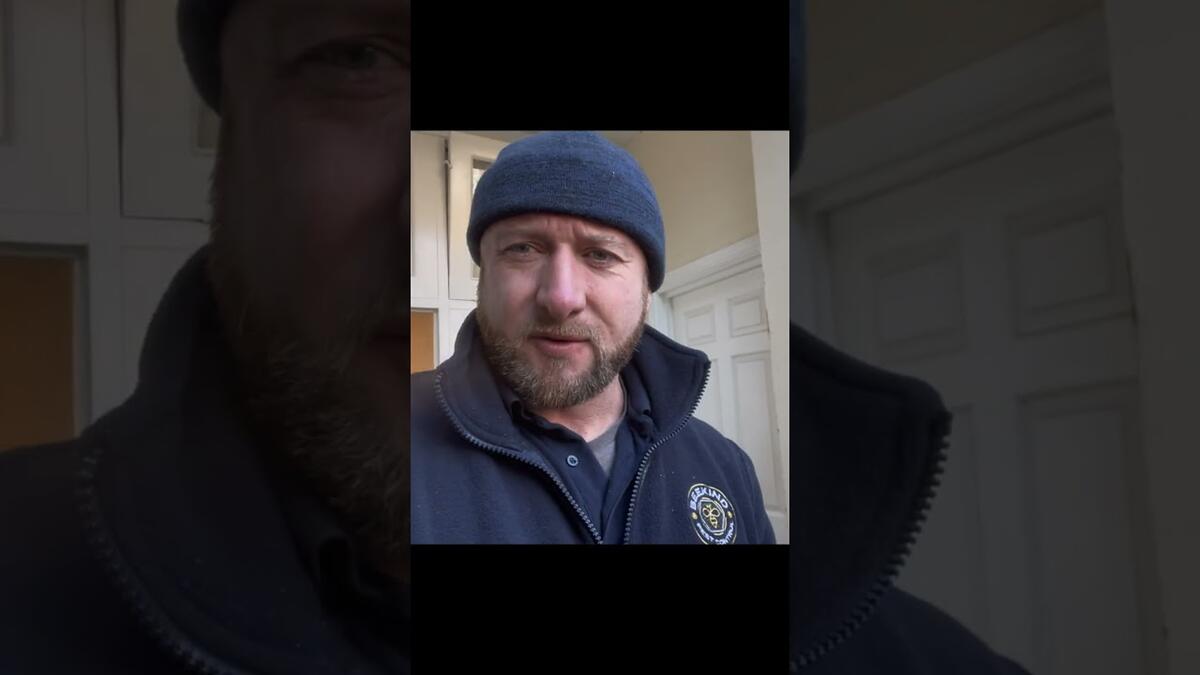
Video: How do rats get out of the sewers and into your home?, from BEEKIND Pest Control.
Common Questions in Tomball
What callers from Tomball ask before booking.
Old houses and new
My house near Old Town Tomball is on piers. Where are the rats getting in?
Under the house, through the skirting and the foundation vents, and above it through the soffit transitions that a 1930s or 1940s builder never closed. Norway rats burrow beside piers and come up through gaps in the floor around plumbing; roof rats use the tree over the roof and enter at the eave. Sealing a pier-and-beam house means galvanized steel mesh at every skirting gap and vent, buried at the base so they cannot dig under, and sheet metal at the soffit. UF/IFAS gives a quarter inch as the standard the mesh has to meet.
What keeps rats away permanently?
Closed openings, maintained. A sealed skirting line and roofline keep rats out for as long as the mesh and metal stay fastened, and no repellent, ultrasonic device or cat does the same. In Tomball the maintenance is keeping pecan and oak limbs off the roof, replacing a garage seal when it tears, and checking the closures after a creek flood or a wind event like Beryl. Ask whoever attends what warranty terms apply to the sealing and whether a return inside that term is covered.
Poison and timing
I already put bait out. Why is there a smell now?
The smell is the rat that ate the bait and died inside the wall or under the floor. The EPA notes that most rodenticides are anticoagulants and that death typically follows 4 days to 2 weeks after feeding begins, which gives the animal time to die somewhere out of reach. UF/IFAS makes the case that trapping reduces the chance of a poisoned rat dying in the building. The dead rodent removal service locates and removes the carcass, and the sealing that follows stops the next one. Anyone placing bait for pay needs the TDA license.
How long does it take to get rid of rats in Tomball?
Most Tomball houses are sealed on the first visit and quiet within one to two weeks of trapping, with a return visit to confirm. HomeGuide's figures put a small trapping job at two to three days and a heavy infestation at one to two months. Traps stay in place at least a week because roof rats are wary of anything new, per UF/IFAS. A pier-and-beam house with both species can take a little longer because the crawl space and the attic are trapped at the same time. Houston rodents breed all year, so waiting makes the job larger.
Still have a question? Call (713) 804-8785 and ask.
Nearby Areas We Serve
The same contractors cover the towns around Tomball, and the service area takes in Harris County along with the rest of the Houston metro.