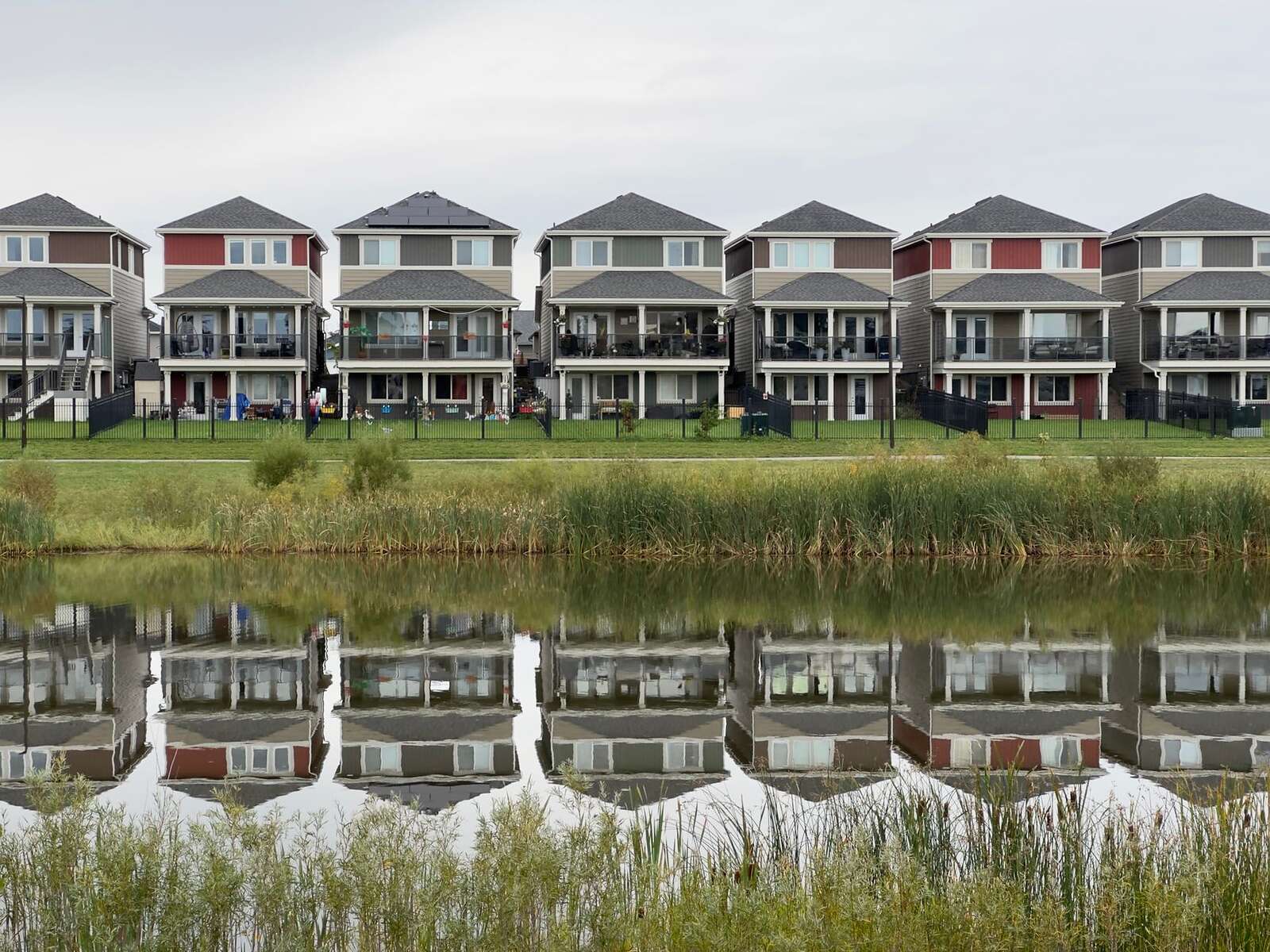
Rodent Removal in League City, TX
League City has grown into the largest city in Galveston County on a flat plain between Clear Creek and Dickinson Bayou, and the waterfront and the creek banks both feed rats into new houses. The free inspection tells you where yours is open.
- Free inspection, roof to slab edge
- Contractors licensed through TDA
- Someone answers the phone 24 hours
Free Inspection in League City
The free inspection on a League City house is mostly a roofline job, because nearly every house here sits on a slab under a vented shingle roof. Whoever attends checks the pipe boots, turbine and mushroom vent bases, roof returns and the soffit-to-brick joint, then the garage door corners, the dryer and AC line penetrations and the weep gaps along the bottom course of brick, and finishes in the attic reading droppings and runs in the insulation. The quote that follows itemizes trapping, sealing and any cleanup. League City is about 25 miles southeast of downtown Houston down the Gulf Freeway, mostly in Galveston County with a sliver in Harris, and it sits inside the service area with the rest of the Clear Lake side.
The phone at (713) 804-8785 is answered at any hour. Two weeks of something running across the ceiling at three in the morning, with a spouse who sleeps through it, is reason enough. Book a free inspection and we get the response moving.
A railroad-town core wrapped in twenty years of new subdivisions
League City started as a railroad stop. The Texas State Historical Association records that John C. League, a Galveston businessman, bought the land and laid out the town along the Galveston, Houston and Henderson line in 1890, that the post office first called it Clear Creek and changed the name in 1896, and that the place had about 500 people by 1914. Galveston County's own history notes it passed Galveston as the county's largest city in the early 2000s. The blocks around Main Street and the old townsite still have frame houses and cottages from the first half of the last century, some on piers with skirting, shaded by the live oaks the town is known for, and those houses get rats from below through the crawl space and from above along the limbs.
Almost everything else is new. Local reporting has put the city at around 800 to 1,000 new houses a year, in master-planned communities off Interstate 45, League City Parkway and FM 518. Those are brick veneer on slabs with attached garages, vented composition roofs and young trees, and a new house is open in ways the builder never checked: a pipe boot with a factory gap, a vent base with no screen, a soffit that stops an inch short of the brick, a garage seal that sits high at the corner. UF/IFAS puts the rat-proofing threshold at a quarter inch. The rodent exclusion page covers roofline sealing on a slab house in detail.
Clear Creek, Dickinson Bayou and the Harvey flood
League City is drained by Clear Creek on the north and Dickinson Bayou on the south, and the city's own floodplain pages and its Lower Clear Creek and Dickinson Bayou watershed study exist because both waterways leave their banks. Creek bottoms, the detention ponds behind the subdivisions and the brushy easements that connect them are where Norway rats burrow and where roof rats travel between lots, and UF/IFAS puts a roof rat's range at about 150 yards from its den, which covers a good many backyards.
Hurricane Harvey made the connection plain. The Galveston County Daily News reported that more than 50 inches of rain fell in parts of the area in the days after landfall in August 2017, that Clear Creek and Dickinson Bayou left their banks, and that roughly 7,700 League City homes flooded. Rats and mice in the creek banks and storm drains moved uphill with the water, and Houston-area pest firms told local news afterward that rodents had moved into attics across the region. The Centers for Disease Control connects rises in leptospirosis to hurricanes and floods, names rodents as one of the animals that carry it, and lists rodent control among the steps to take after flooding. The post-storm rodent inspection is written for a house that has been through that.
Canal and waterfront homes bring their own rodent pressure
The northeast corner of League City fronts Clear Lake, where the creek widens on its way to Galveston Bay, and the canal-front subdivisions there have bulkheads, docks, boat lifts and rip-rap, all of it Norway rat harborage a few feet from the slab. Boats on lifts and covered docks store cushions and lines that make nests, and a bulkhead cap is a rat's sidewalk along an entire street of back yards. Roof rats use the same shoreline for the fruit trees, palms and oleanders people plant beside the water. On a waterfront lot the inspection adds the dock, the bulkhead and the boat house to the usual roofline walk, and rat removal on the water usually pairs trapping at the shoreline with sealing at the house.
What We Handle in League City
League City jobs are mostly roofline sealing and attic trapping on slab houses, with crawl-space work on the old townsite cottages and shoreline trapping on the canal lots. These are the services a call from League City becomes.
- Rat removal: roof rats in the attic of a new-build and Norway rats along a bulkhead or creek bank, trapped and sealed out
- Mouse removal: house mice in garages and kitchens, thickest when the first cool nights arrive
- Rodent exclusion: metal and hardware cloth at every roofline opening, garage corner and weep gap
- Rodent inspection: the free walk of roof, attic, slab edge and shoreline that produces the quote
- Attic cleanup: soiled insulation removed and the deck sanitized where a nest has run for months
- Post-storm rodent inspection: the check after creek flooding or a wind event opens a soffit
- Rodent clearance letters: a written statement of findings and sealing for a sale or a closing, which League City's pace of moves keeps in demand
A Typical League City Job
The situation: A family moved into a two-story brick house in a master-planned community off League City Parkway less than two years ago. In November the daughter starts hearing something run the length of her ceiling around midnight; her parents' room is at the other end of the house and they hear nothing. Then the cat sits and stares at the pantry wall for an hour.
What gets done: On the roof the inspection finds a builder-grade turbine vent with no screen under the cap and a plumbing boot whose collar never seated. In the attic the blown fiberglass has a run from the back eave to the wall above the pantry, and a gnawed corner on the garage door seal explains the ground-floor traffic. The vent gets a screened base, the boot is replaced and collared in metal, the soffit-to-brick line along the back eave is closed with hardware cloth, and the garage seal is renewed. Snap traps go on the attic run and stay at least a week, because UF/IFAS notes roof rats hang back from anything new for the first few nights.
How it turns out: Two rats in the first five nights and then nothing. The return visit finds the closures untouched and no fresh droppings, the fouled fiberglass along the run is pulled and replaced, and the family has a written list of the four openings with the material at each. The daughter was right, and she gets her room back.
What This Costs in League City
Angi's Houston figures extend to League City and put a typical rat exterminator job around $831, with most homeowners paying $381 to $1,370, and the bands below sit beside HomeGuide's 2026 national numbers so you can see both; the free inspection turns them into an itemized quote for your house.
| Line item | Houston (Angi) | National (HomeGuide 2026) |
|---|---|---|
| Inspection | Free here; elsewhere $100 to $200 | $0 to $175 |
| Trapping and removal | About $831 typical; most jobs $381 to $1,370 | $250 to $1,200 |
| Follow-up visits | $50 to $150 a visit | Inside the job band |
| Exclusion sealing | $430 to $1,300 | $500 to $2,500 whole house |
| Attic cleanup and decontamination | Quoted after the inspection | $600 to $2,500 |
| Insulation removal and replacement | Quoted after the inspection | $2.50 to $5.50 a square foot |
| Dead rodent removal | Quoted after the inspection | $150 to $500 |
On a League City slab house the count of roofline openings is the whole price. A new build with two or three builder gaps is a short sealing visit near the bottom of the exclusion band; a two-story with a dozen vents, two roof returns and a long soffit line runs higher. A canal lot adds shoreline trapping as its own line. Ask for every line separately and ask whether the return visit is included.
What is moving inside the walls
How noise in a wall cavity gets traced.
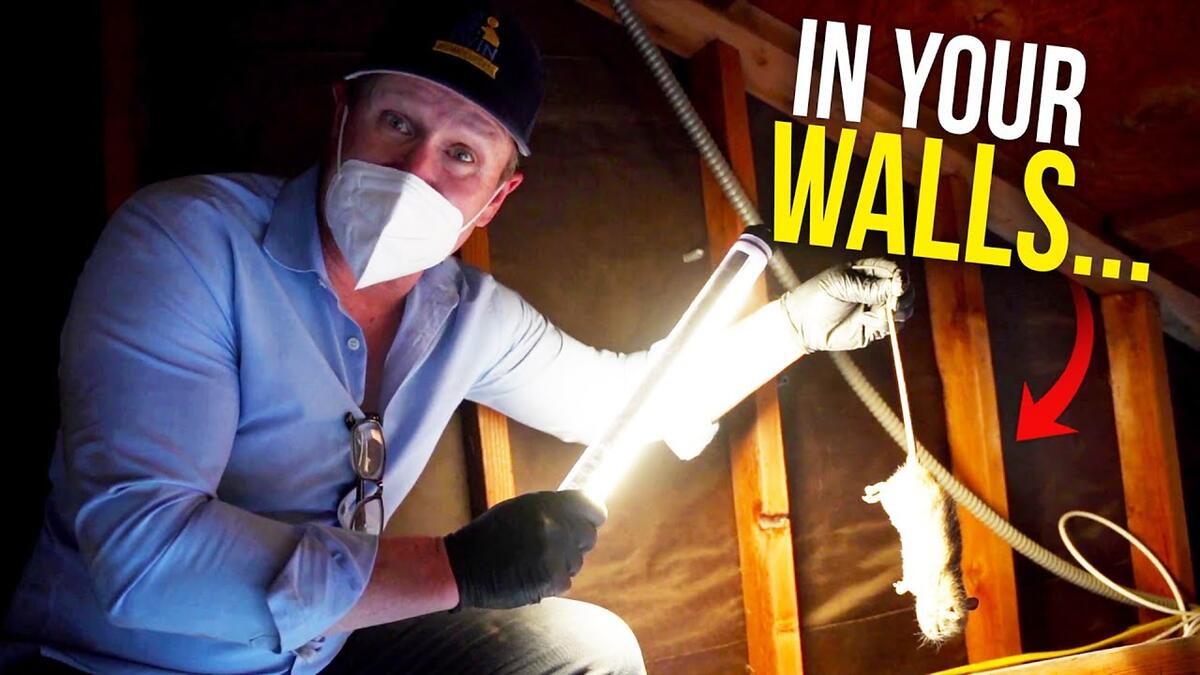
Video: Rodents in your walls? Here's what you do, from Twin Home Experts.
Common Questions in League City
What callers from League City ask before booking.
Getting rid of them
My house is almost new. How can rats be in the attic already?
A new house is built to code, and code says nothing about a quarter-inch gap. Turbine vents ship without screens under the cap, pipe boots seat crooked, the soffit stops short of the brick where two trades met, and the garage seal sits high at the corner. Every one of those is an opening by the UF/IFAS standard, and a subdivision cut out of pasture and creek bottom has the rats already living next door. The fix on a new house is usually short, because there are few openings and no decades of rot, and it is worth doing once properly.
How long until the noise stops?
Most League City jobs run one to three weeks. Sealing is done on the first visit, traps go in the same day and stay at least a week, and the return visit confirms the attic is quiet. HomeGuide's guide puts trapping a few animals at two to three days and a heavy infestation at one to two months, and the difference here is usually how long the attic was active before anyone called; a house that has hosted rats since the last high water takes longer than one that started with the first cool night.
League City houses and contractors
Do I need a different kind of rodent job on a canal lot?
The house end of the job is the same and the shoreline end is extra. The roofline still gets sealed at the vents, boots, soffit line and weep gaps, and the attic still gets trapped. On a canal lot whoever attends also walks the bulkhead, dock and boat house for burrows, nests and runs, because Norway rats live at the waterline and roof rats use the shoreline trees. Trapping along the bulkhead and clearing nesting material from the boat house become their own lines on the quote, and bait is a poor choice that close to the water.
Who is allowed to do this work in League City, and how do I check?
League City sits in Galveston County with a small piece in Harris, and Texas licensing is the same in both: controlling rats or mice for pay requires a business license from the Texas Department of Agriculture's Structural Pest Control Service and a certified applicator, with the pest control category naming rats and mice. The license number is shown on the truck as a TPCL number. Live trapping without bait has been exempt since 2009, but placing rodenticide requires the license. Every contractor we route holds the TDA license the job needs, and TDA's homeowner flyer on rodent control says to ask for the credentials and check them before signing.
Still have a question? Call (713) 804-8785 and ask.
Nearby Areas We Serve
The same contractors cover the towns around League City, and the service area takes in Galveston and Harris counties along with the rest of the Houston metro.