Rodent Removal in Cypress, TX
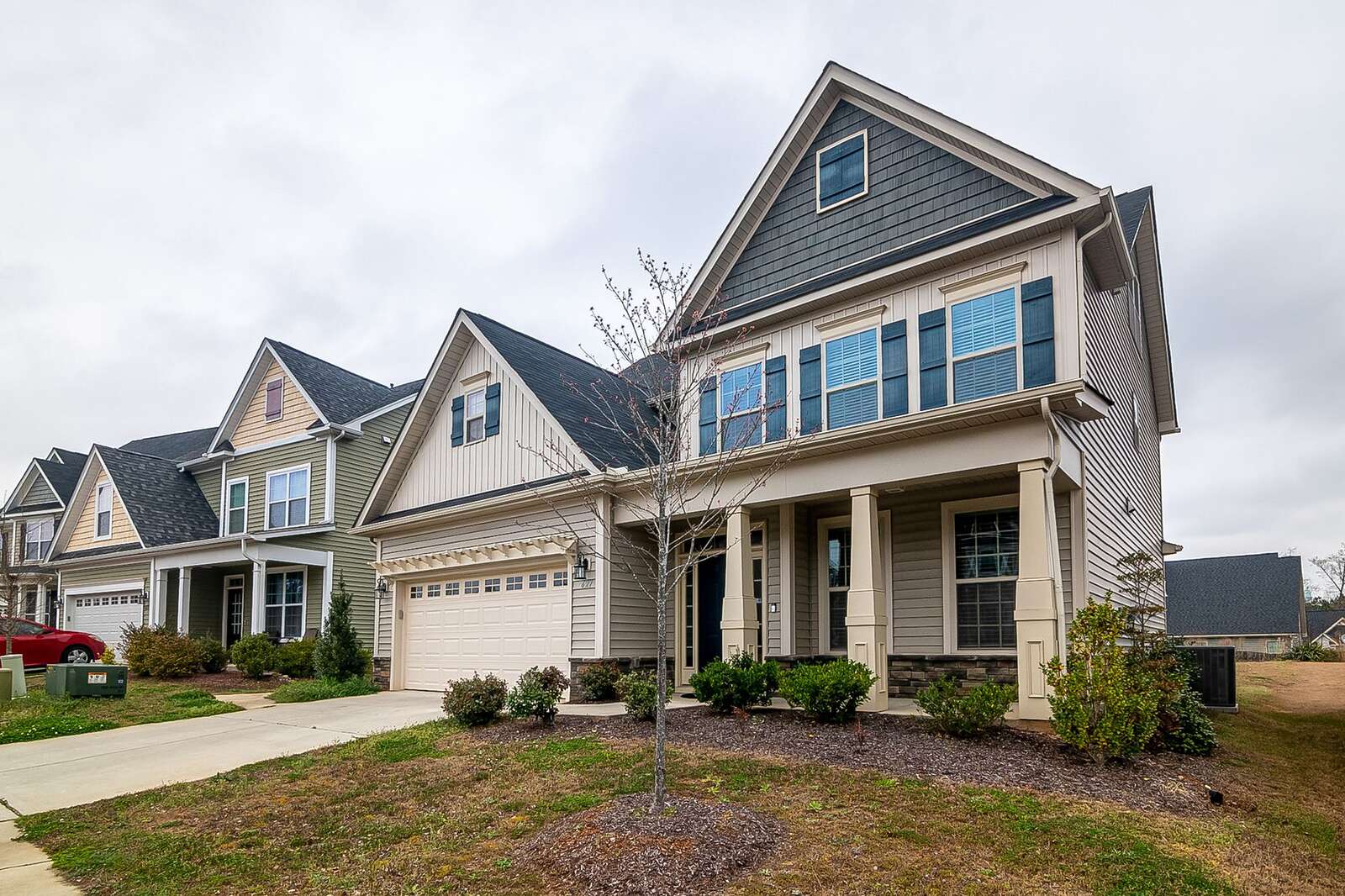
Cypress was mostly pasture and prairie until the master-planned communities arrived in the 1990s, so nearly every house is a brick-veneer slab build with a vented shingle roof. The free inspection finds the roofline opening and quotes the fix in separate lines.
- Free roofline and attic inspection
- TDA-licensed contractors on every job
- Phone answered 24 hours a day
Free Inspection in Cypress
The free inspection on a Cypress house is a roofline inspection first, because a slab home built since 1990 has no crawl space and its openings are at the eave and above: the soffit-to-brick joint, roof returns, brick weep gaps, and the pipe boots and vent bases that Houston sun cracks within a few years of installation. Whoever attends walks the eaves from a ladder, checks the garage door seal and the utility penetrations at slab level, then reads the attic for droppings, runs in the blown insulation and nesting. The quote that follows separates trapping, sealing and any cleanup.
Cypress is unincorporated Harris County, about 24 miles northwest of downtown Houston along U.S. 290, and it is inside the regular service area. The phone is answered 24 hours a day. Lying awake tracking something across the ceiling is a bad way to spend a week, and nobody who calls about it is being dramatic. Book a free inspection and we get the response moving.
Cypress houses are brick-veneer slab builds from the 1990s onward
Almost every house in Cypress is a slab-on-grade brick-veneer build with a vented composition shingle roof, because the area stayed rural until developers began the master-planned communities in the early 1990s. The two Cypress zip codes, 77429 and 77433, held about 66,150 housing units and roughly 200,000 residents by 2020 according to Wikipedia, and the great majority of those units went up in three decades: Coles Crossing and Fairfield in the 1990s and 2000s, Bridgeland and Towne Lake from the mid-2000s on, with newer sections still being built west along 290. German farming families settled the area in the 1840s and left their names on Huffmeister and Telge roads, but the farmhouses are a rounding error against the subdivisions.
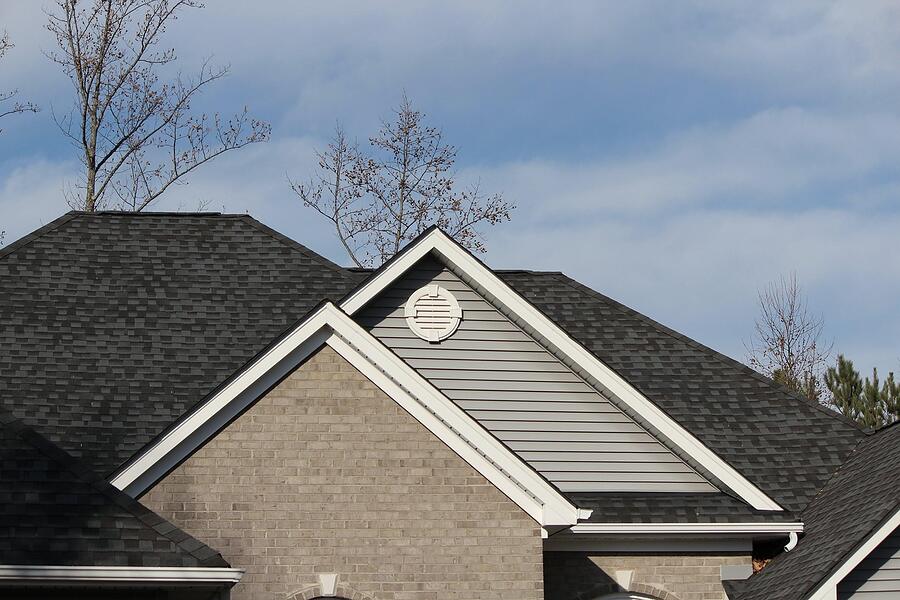
On a house of this type the rat has no ground-level route beyond a torn garage seal, so entry shifts to the roofline. The recurring openings are the joint where the soffit meets the brick, the roof returns where a gable dies into a lower slope, the weep gaps in the brick veneer, and the vent bases and rubber pipe boots that heat and ultraviolet have split. Even a house built in 2015 can have a cracked boot by now. Roof rats climb to these from the live oaks and crape myrtles the developers planted, from fences, and along the utility drop to the fascia. UF/IFAS puts the rat-proofing standard at a quarter inch, and a Cypress roofline typically has several gaps past that figure.
Sealing here is roofline work with sheet metal, galvanized steel mesh and metal pipe collars, with the weep gaps screened so they keep draining. The rodent exclusion page covers the details and the sequence.
Cypress Creek, the prairie edge and the flood record
Cypress sits in the Cypress Creek and Little Cypress Creek watershed, with woods on the northeast side of 290 and the remains of the Katy Prairie to the southwest, and both the creek and the prairie shape what rodents do here. Norway rats burrow along creek banks and drainage channels and stay low; roof rats work the wooded side and the planted canopy of the subdivisions; field mice move in from the prairie edge and the detention ponds when nights cool. New sections at the western edge are built directly against open pasture, and the first winter in a new house is often the first mouse.
The flood record is part of the picture. The Texas Tribune reported after Hurricane Harvey that the Cypress Creek watershed had two 500-year floods in the 1990s, reached 500-year levels again in parts during the Tax Day flood of April 2016, and saw sections of the creek exceed every previous record in August 2017, with growth paving over the pasture that once absorbed the water. The Harris County Flood Control District recorded about 29 inches of rain across the watershed during Harvey. Water drives rats out of burrows and storm drains and into garages and attics; the CDC has tied hurricanes and floods to increases in leptospirosis and lists rodent control among the steps to take once the water recedes. Hurricane Beryl in July 2024 brought the other kind of damage, limbs down and soffit panels lifted across northwest Harris County.
A house near Cypress Creek, Little Cypress Creek or a drainage channel gets a slab-level check along with the roofline walk, and the post-storm rodent inspection is built for the week after a storm.
Licensing for rodent work in Harris County
Rodent control for hire in Cypress, as anywhere in Harris County, requires a Texas Department of Agriculture structural pest control business license and a certified applicator, and every contractor we route holds the TDA license the job needs. The license number appears on the truck as a TPCL number. TDA's pest control category names rats and mice, and its consumer flyer on rodent control tells homeowners to ask for credentials and confirm license status before signing a contract. Live trapping on its own has been exempt from TDA licensing since June 2009 under Occupations Code Section 1951.058; placing rodenticide bait requires the license. Ask for the TPCL number and confirm it with the Texas Department of Agriculture before work starts. The about page covers what else to ask.
What We Handle in Cypress
Jobs routed in Cypress range from a single mouse in a new build to a full attic strip-out in an older Fairfield house, each quoted on its own line.
- Rat removal: roof rats trapped in the attic while the roofline is sealed, the standard call from the wooded side of 290.
- Mouse removal: house mice in garages and pantries, and field mice coming in from the prairie edge and detention ponds in the cooler months.
- Rodent exclusion: sheet metal and steel mesh at the soffit-to-brick joint, roof returns, weep gaps, vent bases and pipe boots of a slab home.
- Rodent inspection: the free roofline and attic check that produces an itemized quote.
- Attic cleanup: contaminated blown insulation removed, with remove-and-replace where it has held urine through a humid season.
- Attic insulation replacement: fresh blown fiberglass after a cleanup, since compressed and soiled insulation stops meeting its rated R-value according to the Department of Energy.
- Rodent clearance letters: a written inspection finding for a sale or purchase in a market where houses change hands often.
A Typical Cypress Job
The situation: A couple in a two-story brick home in Bridgeland, built in the late 2000s and backing onto a detention pond, find shredded insulation and droppings on the garage floor under the attic access in early December. Nights have just turned cold. They hear a light scurrying above the game room after ten each night and have started leaving the television on to cover it. The house has never had a problem and they assume a new build is sealed.
What gets done: Whoever attends finds the rubber boot on the upstairs bathroom vent split through, a roof return at the front gable never closed against the brick, and rub marks on both. Inside, roof rat droppings run along the top plate above the game room and a nest sits in the blown fiberglass near the return. The return is closed with sheet metal, the boot gets a metal collar, the weep gaps along the pond side are screened, and snap traps go on the runs the same day. The garage door seal is replaced where the corner has worn through. The quote lists sealing, trapping and the follow-up visit separately, with the insulation over the game room noted as a spot cleanup because the contamination is recent and confined to one bay.
How it turns out: Two adults come out in the first four nights and the traps stay empty after that. The return visit finds no fresh sign, the small section of insulation is cleared and replaced, and the couple receive the closure list with the material used at each point. The television goes back off at night.
What This Costs in Cypress
Rodent work in Cypress is priced from the Houston-area and national bands below, and the free inspection produces the itemized figure for a specific house. The Houston data from Angi shows rat exterminator jobs averaging about $831 with most homeowners paying between $381 and $1,370; exclusion work runs $430 to $1,300 and follow-up visits $50 to $150. HomeGuide's 2026 national ranges give the wider picture.
| Line item | Houston (Angi) | National (HomeGuide 2026) |
|---|---|---|
| Inspection | Free here ($100 to $200 elsewhere) | $0 to $175 |
| Trapping and removal | $381 to $1,370 typical, near $831 average | $250 to $1,200 |
| Exclusion sealing | $430 to $1,300 | $500 to $2,500 full home |
| Follow-up visits | $50 to $150 | Varies by contractor |
| Attic cleanup and decontamination | Quoted at inspection | $600 to $2,500 |
| Insulation removal and replacement | Quoted at inspection | $2.50 to $5.50 per sq ft |
| Dead rodent removal | Quoted at inspection | $150 to $500 |
A newer Cypress house usually lands low in the bands because the openings are few and the insulation is recent; a 1990s house in Coles Crossing or Fairfield with a long-running infestation and cellulose insulation lands higher because the cleanup becomes a strip-out. Every quote keeps trapping, sealing, cleanup and return visits on separate lines, and whoever attends should state the warranty terms on the sealing and how many follow-ups are included before the work starts.
Rodents in the attic
What is happening above the ceiling, explained.
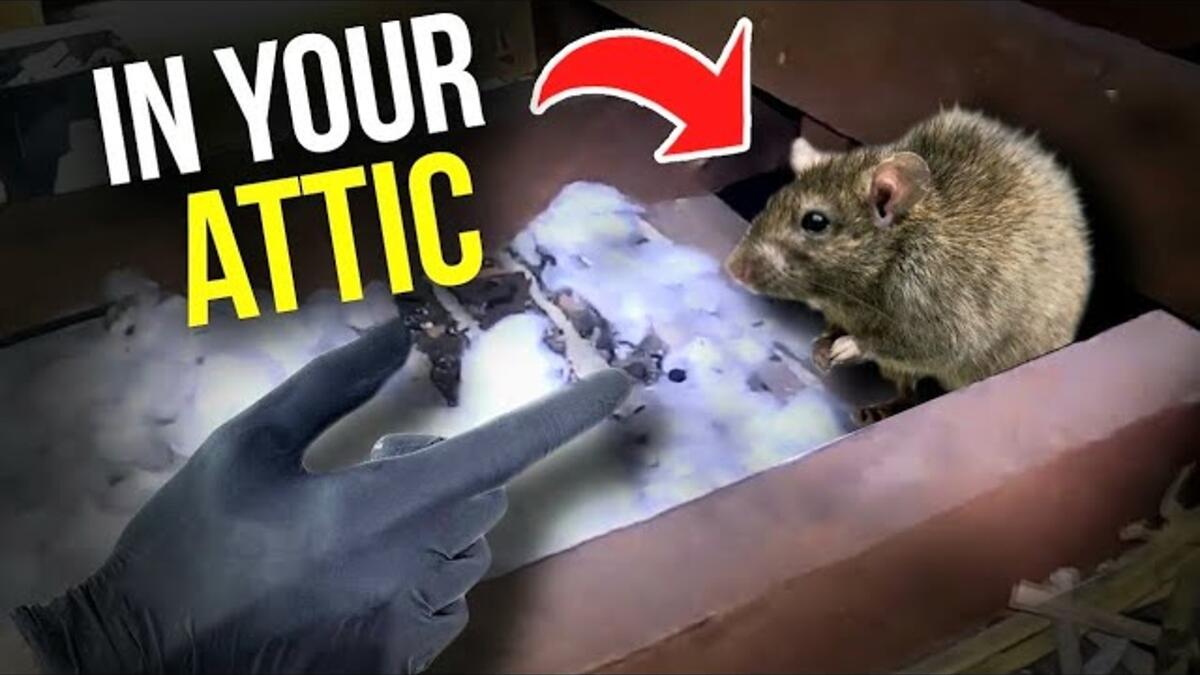
Video: Rodents in your ATTIC!? Here's what you do, from Twin Home Experts.
Common Questions in Cypress
What callers from Cypress ask before booking.
New houses and rats
My house in Cypress is only a few years old. How are rats getting in?
Through the roofline, the same as a forty-year-old house, because builders leave the soffit-to-brick joint and roof returns open and Houston sun splits a rubber pipe boot within a few years. A new build in Cypress also sits next to open ground or a detention pond, which supplies the rodents. UF/IFAS gives a quarter inch as the opening that matters, and a new roofline has several. The free inspection maps them, and sealing with sheet metal and steel mesh closes them for the life of the house.
Is it safe to do exclusion before trapping?
Sealing before or alongside trapping is the correct order, provided traps go in the same day so whatever is inside has a way out on the contractor's terms. Sealing a house and leaving is the mistake, since a rat shut in an attic chews a new exit into a wall or ceiling. The jobs we route close the roofline on the first visit, set snap traps on the runs that afternoon, and leave them at least a week, which UF/IFAS recommends because roof rats avoid new objects. A return visit confirms the attic is quiet before the traps come out.
Timing and follow-up
How long does it take to get rid of rats in Cypress?
A typical Cypress house is sealed on the first visit and quiet within a week or two of trapping, with a follow-up to confirm. HomeGuide puts a small trapping job at two to three days and a severe infestation at one to two months, and the long timelines people describe online almost always involve trapping with nothing sealed. Rodents in Houston breed year-round, so a delay is what turns a small job into a large one. UF/IFAS notes that a female roof rat matures at three to four months and can produce four or five litters a year.
What keeps rats away permanently in Cypress?
A sealed roofline keeps rats out for as long as the closures stay in place, and nothing sold as a repellent or a plug-in device does the same. Steel mesh and sheet metal at every opening past a quarter inch is the permanent part. Keeping limbs pruned off the roof, replacing the garage seal when it tears, and walking the roofline after a storm extend the life of the work. Ask whoever attends what warranty terms cover the sealing and what happens if something returns inside that term.
Still have a question? Call (713) 804-8785 and ask.
Nearby Areas We Serve
The same contractors cover the towns around Cypress, and the service area takes in Harris County along with the rest of the Houston metro.