Rodent Removal in The Woodlands, TX
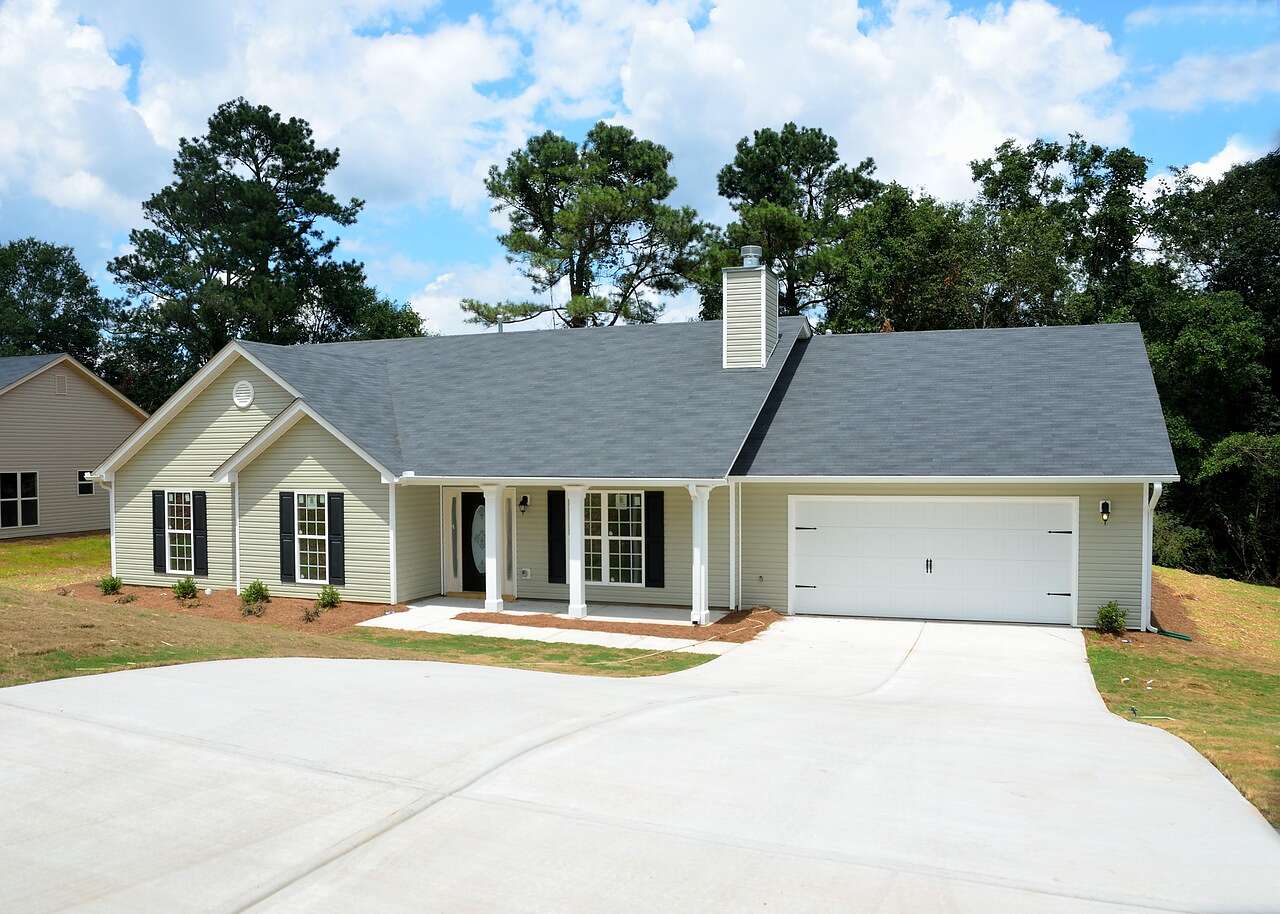
The Woodlands was planned around its forest, and the same pines and oaks that shade the villages give roof rats a route to the roofline. The free inspection finds the entry, and licensed contractors handle every job we route.
- Free attic and roofline inspection
- TDA-licensed contractors on every job
- Phone answered 24 hours a day
Free Inspection in The Woodlands
The free inspection on a house in The Woodlands covers the roofline where the canopy touches it, the attic, the garage and the ground-level penetrations, and it produces an itemized quote before any work is agreed. Most homes here are brick-veneer slab builds from the late 1970s onward, so whoever attends spends the most time at the soffit-to-brick joint, the roof returns, the vent bases and pipe boots on the shingle roof, and the fascia behind whichever limb is resting on the gutter. The attic gets read for droppings, runs and nesting in the blown insulation.
The Woodlands sits about 28 miles north of downtown Houston on Interstate 45, straddling Montgomery and Harris counties, and it is a regular part of the service area. The phone is answered 24 hours a day. A scratching sound over the bedroom at two in the morning, after weeks of being told it is probably the house settling, is reason enough to call. Book a free inspection and we get the response moving.
The forest canopy is the roof rat route in The Woodlands
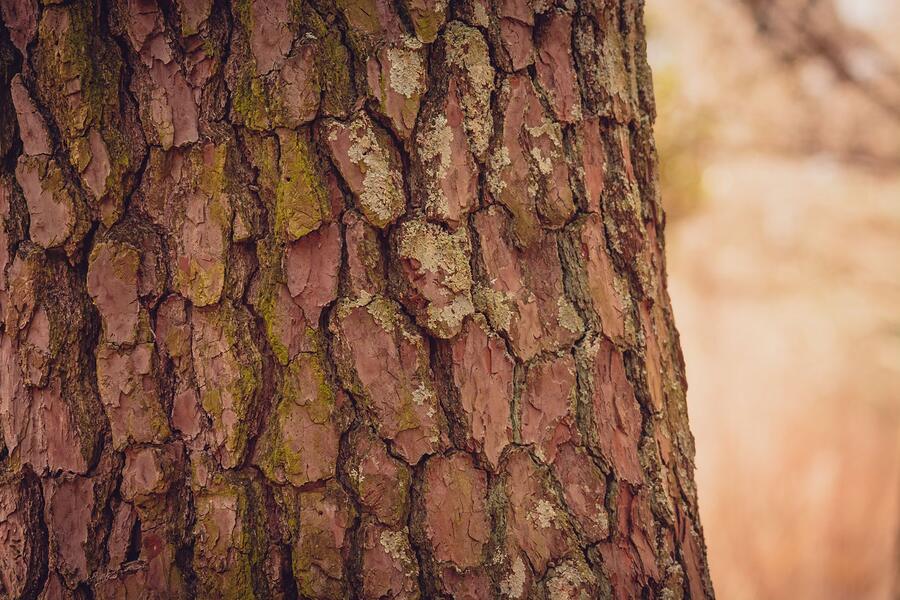
Roof rats in The Woodlands reach the roof through the trees, because the community was designed from 1974 to keep its pines and hardwoods standing close to the houses. George Mitchell dedicated The Woodlands in 1974 with the forest as the organizing idea, and the result across the villages of Grogan's Mill, Panther Creek, Cochran's Crossing, Alden Bridge, Sterling Ridge, Indian Springs, College Park and Creekside Park is a canopy that meets the roofline on most lots. The township counts 151 parks inside its boundaries and the George Mitchell Nature Preserve along Spring Creek is part of what is described as the longest connected urban forested corridor in the nation.
UF/IFAS Extension describes the roof rat as an arboreal species that moves along branches, wires and trunks, and puts its foraging range at roughly 150 yards from the den. A loblolly pine limb over the ridge, a water oak leaning on the gutter, or a utility line from the pole to the fascia is the whole journey. Once on the roof, the openings are the ones common to every brick-veneer slab house north of Houston: the soffit-to-brick joint, roof returns where a gable meets a lower slope, the weep gaps in the brick, cracked mushroom vent seals and pipe boots that Houston sun has split. There is no crawl space on a slab house, so the roofline is where the work is.
Exclusion here means the roofline closed with steel mesh and sheet metal, the weep gaps screened without blocking their drainage, and a pruning list for the limbs that touch the house. The rodent exclusion page covers the materials and the sequence.
Beryl wind and Spring Creek flooding both move rodents indoors
The Woodlands has taken both kinds of storm damage that push rodents into houses, wind in 2024 and water in 2017. Hurricane Beryl came through on July 8, 2024 with gusts reported at 74 mph in Montgomery County; The Woodlands Fire Department reported 35 trees down on homes, 32 more blocking roads and seven rescues that day, and more than 250,000 Entergy customers in Montgomery County lost power, according to Community Impact. A pine that comes down on a roof opens the decking; a limb that only tears the fascia or lifts a soffit panel opens a rat door that nobody sees from the ground.
Hurricane Harvey in August 2017 was the water event. Spring Creek came out of its banks along the southern edge of the community, and the Houston Chronicle reported close to 300 homes damaged in the Village of Creekside Park, with Timarron and Timarron Lakes flooded from a few inches to several feet. Floodwater drives Norway rats out of creek-bank burrows and storm drains and up into garages and attics. The CDC links rises in leptospirosis cases to hurricanes and floods, names rodents among the reservoirs, and recommends rodent control as part of post-flood prevention.
A roofline walk after any named storm is the practical answer, and it is what the post-storm rodent inspection is for. Houses near Spring Creek in Creekside Park and Grogan's Mill get the ground-level check as well.
Licensing for rodent work in Montgomery and Harris counties
Rodent control for hire anywhere in The Woodlands, on either side of the county line, requires a Texas Department of Agriculture structural pest control business license with a certified applicator, and every contractor we route holds the TDA license the job needs. The license number is displayed on the truck as a TPCL number. The TDA's pest control category names rats and mice directly, and its consumer guidance on rodent control tells homeowners to ask for credentials and confirm the license status before signing any contract. Live trapping on its own has been exempt from TDA licensing since 2009 under Occupations Code Section 1951.058, but the moment bait is placed the license applies, and the contractors on these jobs carry it either way. Ask for the TPCL number and check it with the Texas Department of Agriculture before work starts; the about page explains what else to ask.
What We Handle in The Woodlands
The jobs routed in The Woodlands run from a single roof rat in the attic to a full attic strip-out after a long infestation, and each is quoted as its own line.
- Rat removal: roof rats trapped inside the attic while the roofline is sealed, which is the usual call from the wooded villages.
- Mouse removal: house mice in garages and kitchens, and deer mice that show up in the cooler months near the greenbelts.
- Rodent exclusion: steel mesh and sheet metal at the soffit-to-brick joint, roof returns, weep gaps and vent bases of a brick-veneer slab home.
- Rodent inspection: the free attic and roofline check, with an itemized quote, on any house where the noise has started.
- Attic cleanup: droppings and urine removed from blown insulation, with remove-and-replace where cellulose has soaked up months of contamination and Gulf humidity.
- Attic insulation replacement: new blown fiberglass after a cleanup, because compressed and soiled insulation stops delivering its rated R-value according to the Department of Energy.
- Dead rodent removal: locating and removing the animal behind the wall smell that follows a poison-only plan.
A Typical The Woodlands Job
The situation: A couple in a two-story brick home in Alden Bridge, built in the mid-1990s under a stand of loblolly pines, start hearing a run of footsteps across the upstairs ceiling each night in late October. They have been told by a neighbor that it is squirrels and that everyone in the village has them. One of them has stopped sleeping through the night. A limb from the tallest pine rests on the rear gutter, and nobody has been in the attic since the radiant barrier went in.
What gets done: Whoever attends finds roof rat droppings, a quarter to half an inch long with pointed ends, along the top plate above the master bedroom, and traces the entry to a roof return at the rear gable where the shingles meet the lower roof and the soffit was never closed against the brick. A second opening is the split rubber boot on the plumbing vent. The return is closed with sheet metal, the boot gets a metal collar, the weep gaps along the rear wall get stainless screening that leaves them draining, and snap traps go along the top plate the same afternoon. The quote lists the pruning of the pine limb as a recommendation for the homeowner's tree service.
How it turns out: The traps take three adults over the first week and then stay empty. The return visit finds no new droppings, the traps come out, and the homeowners receive the closure list with the material used at each point. The pine limb is cut back the following week. The noise does not return, and the first quiet night is the thing they mention on the phone.
What This Costs in The Woodlands
A rodent job in The Woodlands is priced from the same Houston-area bands as the rest of the metro, and the free inspection is what turns a band into a number for a specific house. In Angi's Houston data the average rat exterminator job comes in near $831, with most homeowners spending somewhere between $381 and $1,370; exclusion sealing sits at $430 to $1,300 and follow-up visits at $50 to $150. HomeGuide's 2026 national figures give the wider frame.
| Line item | Houston (Angi) | National (HomeGuide 2026) |
|---|---|---|
| Inspection | Free here ($100 to $200 elsewhere) | $0 to $175 |
| Trapping and removal | $381 to $1,370 typical, about $831 average | $250 to $1,200 |
| Exclusion sealing | $430 to $1,300 | $500 to $2,500 full home |
| Follow-up visits | $50 to $150 | Included or per visit |
| Attic cleanup and decontamination | Quoted at inspection | $600 to $2,500 |
| Insulation removal and replacement | Quoted at inspection | $2.50 to $5.50 per sq ft |
| Dead rodent removal | Quoted at inspection | $150 to $500 |
What pushes a Woodlands quote toward the top of a band is usually height and canopy: a two-story roof under pines takes more ladder time, and a long infestation in cellulose insulation turns a cleanup into a strip-out. Every quote separates trapping, sealing, cleanup and any return visits so it can be compared with another bid. Ask whoever attends what warranty terms apply to the sealing and how many follow-up visits are included.
Mice, squirrels, or something else
How the signs differ between the two.
Video: Signs of Mice vs. Squirrels In Your Attic, from Skedaddle Humane Wildlife Control.
Common Questions in The Woodlands
What callers from The Woodlands ask before booking.
Rats and the canopy
Is it rats or squirrels in my attic in The Woodlands?
Time of day is the first clue: squirrels are active at dawn and dusk and go quiet at night, while roof rats run after dark and are what most people in The Woodlands are hearing at midnight. Droppings settle it. Roof rat droppings are a quarter to half an inch long, banana shaped with pointed ends, according to UF/IFAS. Both animals use the same pine limb to reach the roof, and the free inspection identifies which one is in the attic before anything is quoted. If it turns into squirrel work, Texas Parks and Wildlife rules apply and the contractor handles that side.
Do I have to cut down my trees to keep rats out?
The trees can stay; the limbs touching the roof are what need cutting back. The Woodlands has tree covenants for a reason, and sealing the roofline with steel mesh and sheet metal is what keeps rats out regardless of the canopy. Pruning limbs so they clear the roof removes the easiest route and extends the life of the sealing work. UF/IFAS describes roof rats traveling along branches, wires and trunks, so a utility line to the fascia is worth a guard as well. Whoever attends lists the limbs in the way as part of the inspection.
Timing and follow-up
How long does it take to get rid of rats in The Woodlands?
Most single-family jobs here are sealed on the first visit and quiet within one to two weeks of trapping, with a return visit to confirm. HomeGuide puts a small trapping job at two to three days and a heavy, long-running infestation at one to two months. UF/IFAS advises leaving traps at least a week because roof rats are wary of new objects. The timeline stretches when sealing is skipped, which is why the jobs we route close the roofline first and trap alongside it.
Should I put out poison in the attic first?
Poison in an attic in The Woodlands is the usual cause of the dead-animal smell that follows two weeks later. The EPA notes that most rodenticides are anticoagulants and that death typically comes 4 days to 2 weeks after feeding begins, which is long enough for the animal to die inside a wall. UF/IFAS points out that trapping reduces the risk of a poisoned rat dying in the building. The contractors we route seal and trap, and anyone placing bait must hold the TDA license, so ask for the TPCL number if bait is ever proposed.
Still have a question? Call (713) 804-8785 and ask.
Nearby Areas We Serve
The same contractors cover the towns around The Woodlands, and the service area takes in Montgomery and Harris counties along with the rest of the Houston metro.