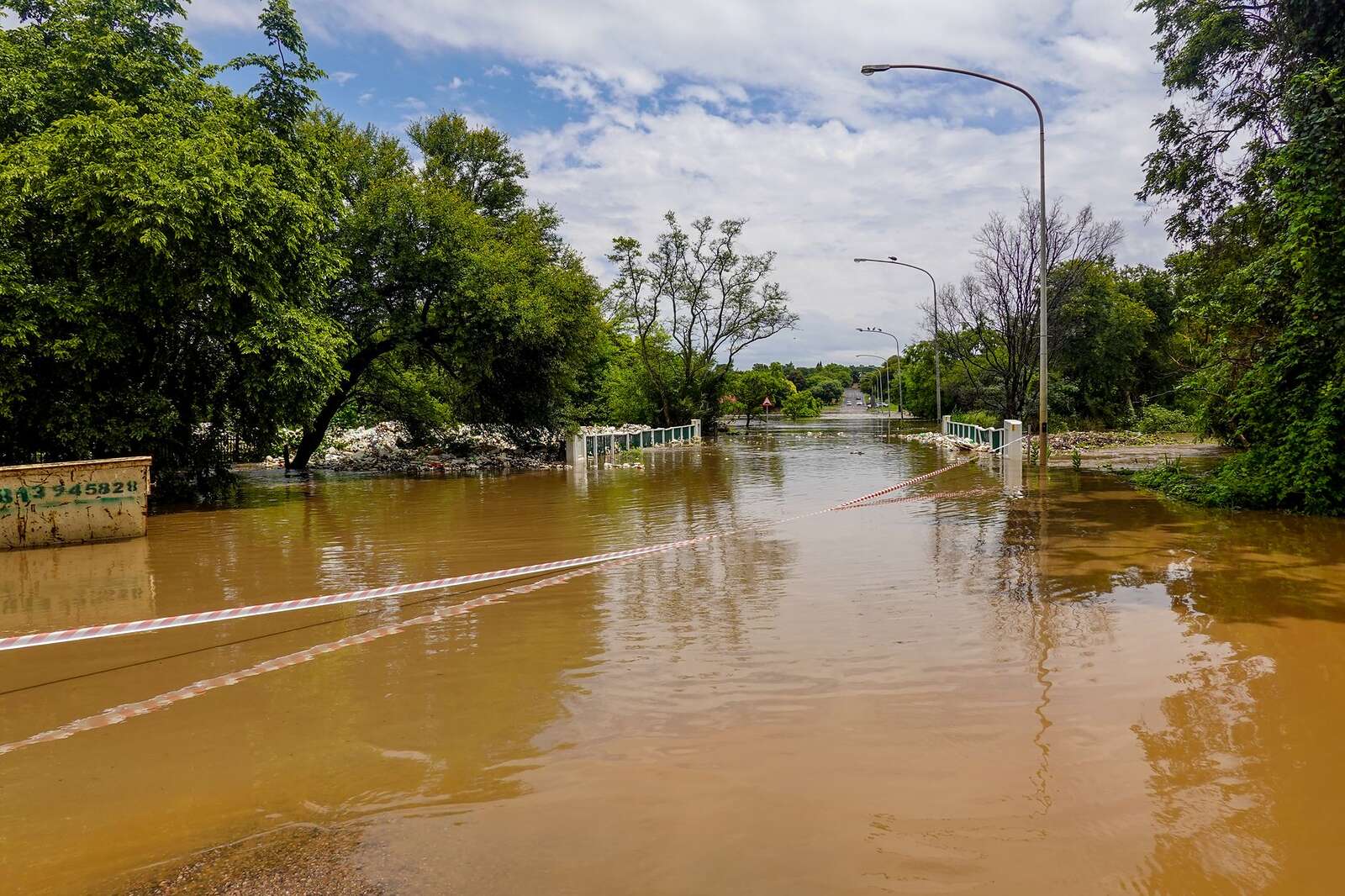
Post-Storm Rodent Inspection in Houston, TX
After a flood or a hurricane, rats and mice leave the burrows and drains they were living in and find the openings the wind just made. A post-storm inspection finds those openings before the animals settle in. Licensed contractors handle every job we route.
- Roofline walk after wind
- Flood displacement checked
- Free inspection, any season
What a post-storm rodent inspection in Houston covers
A post-storm rodent inspection is a walk of the roofline, the attic, the garage, the crawl space if the house has one, and the yard, looking for two things at once: openings the storm created and animals the storm moved. It ends with a written list of what was found and an itemized quote for sealing and removal if either is needed. The inspection itself is free.
Houston storms come in two kinds and they damage a house differently. Flooding, as in Hurricane Harvey in 2017 and the smaller bayou floods since, drives rats and mice out of low ground and into whatever is dry: garages, sheds, wall voids and attics. Wind, as in Hurricane Beryl in July 2024, lifts vent hoods, tears soffit, drops limbs through fascia and opens rooflines that were sealed the week before. A house can take both in one season.
- Roofline from a ladder: turbine and mushroom vents, ridge vent caps, pipe boots, roof returns, fascia and drip edge, the soffit-to-brick joint
- Attic: daylight through the deck or the eave, displaced insulation, fresh droppings and rub marks, wet insulation from a roof leak
- Garage and utility rooms: door seals, the garage-to-attic panel, water lines and the gap under the water heater platform
- Crawl space on pier-and-beam houses: skirting, vent screens, mud lines that show how high the water came, new burrows at the piers
- Yard: debris piles, downed limbs, displaced fence panels, mulch beds and slab edges for fresh burrows
- A written list with each opening measured against a quarter inch, the rat-proofing standard UF/IFAS publishes, and each sign of activity noted
If the house is already occupied by rodents, the rat removal page describes the trapping that follows, and rodent exclusion describes the sealing.
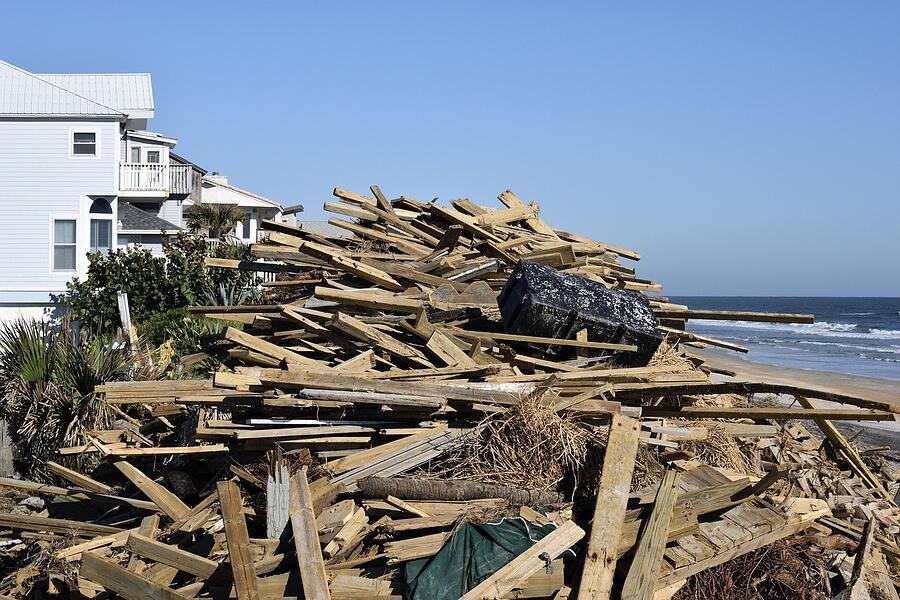
Why flooding pushes rats into Houston garages and attics
Rats and mice live low in Houston, in burrows along bayou banks, in storm drains, under slabs and in ground-level debris, and when the water rises they leave all of it at once and climb. The nearest dry, dark, enclosed place is a garage, a crawl space, a wall void or an attic, and an animal that arrives that way stays if it finds food and a route in and out.
Hurricane Harvey in August 2017 put water into homes across the metro, from the bayou neighborhoods inside the loop to the reservoir communities on the west side, and Houston pest firms reported to local news afterward that rodent populations were the worst they had seen and that rodents had moved into attics. Every smaller flood since has done the same thing on a smaller scale: a hard rain on Brays Bayou sends the rats of Meyerland uphill, a storm drain backing up in the Heights sends them into the nearest crawl space.
The animals that move in after a flood are often Norway rats, the burrowing species that rarely enters an attic in normal conditions. They arrive at ground level, through the garage door seal, the gap under a pier-and-beam skirt, or a weep hole in brick veneer, and a house that has never had a rodent gets one. On slab homes in Katy, Sugar Land and Pearland the entry is the garage corner and the brick weep gap; on older inner-loop homes it is the open crawl space.
The Centers for Disease Control and Prevention ties increases in leptospirosis, a bacterial disease spread through water and soil contaminated with animal urine, to hurricanes and floods, names rodents among the animals that carry it, and lists trapping rodents and keeping food, water and trash in closed containers among its post-flood prevention steps. That is the public-health reason for a rodent check after floodwater has been in or around the house, alongside the practical one.
What hurricane wind does to a Houston roofline
Wind opens a roofline in four places that matter to a roof rat: the vent hoods, the soffit, the fascia under a dropped limb, and the pipe boots and flashing that were already cracked by the sun. Hurricane Beryl came ashore near Matagorda as a Category 1 hurricane on July 8, 2024, and its winds brought down trees and power lines across the Houston area and left much of the region without power for days. The tree damage is what mattered for rodents.
| Storm damage | What the rodent gets | What the inspection checks |
|---|---|---|
| Turbine or mushroom vent hood lifted or blown off | An open hole straight into the attic, several inches across | Each vent from the ladder; hood seated, base sealed, screen intact |
| Soffit panel torn or punched by a limb | Access along the eave into the attic edge | Every run of soffit, especially under live oaks and pines; the soffit-to-brick joint |
| Fascia and drip edge split by a fallen branch | A gap behind the gutter into the rafter tails | Fascia line for splits, lifted drip edge, gutter pulled from the board |
| Ridge vent cap displaced | A run of open ridge | Cap fastening, end caps, mesh under the cap |
| Pipe boot torn or flashing lifted | A ring gap around the pipe | Each penetration; boots already sun-cracked go first in wind |
| Shingles stripped, deck exposed | Nothing yet, but a leak that wets the insulation | Attic for daylight and wet insulation; a roofer for the deck |
| Fence panel or gate down | A new ground route from the neighbor's yard | Perimeter and any new burrowing along the slab |
The limbs are the second half of the problem. Roof rats travel along branches, wires and trunks, according to UF/IFAS, and a storm that leaves a broken limb leaning on the roof has built them a ramp. The inspection lists the limbs that need to come off the roof, and it lists the debris on the ground, which is the next section.
Debris piles as rodent harborage
The pile of limbs, fence boards, wet drywall and ruined furniture at the curb after a storm is rodent housing, and in Houston it can sit for weeks before it is collected. A debris pile gives cover, nesting material and, if it includes flooded pantry goods or a spoiled refrigerator's contents, food. Rats displaced from a flooded burrow move into the pile first and into the nearest house second.
After Beryl, tree debris lined streets across the metro while crews worked through it. After Harvey, the piles were the contents of whole houses. In both cases the pile at the curb was a few yards from a garage door with a worn seal and a soffit with a new hole in it.
What the inspection recommends about debris is practical. Keep the pile as far from the house as the lot allows. Keep food waste out of it and in a lidded container. Stack limbs in a loose row instead of a heap, so there is less enclosed space inside. Once the pile is gone, walk the ground where it stood and look for burrow entrances, which show as clean holes with a fan of loose soil. The contractor we route checks the same spots on the return visit.
Signs rodents have moved in after a storm
The first sign after a storm is usually noise in the attic or the garage ceiling a week or two later, once the animals have found the house and settled, and by then the droppings have started. Storm-season rodent signs look like ordinary ones with a few additions.
- Droppings on the garage floor, along the water heater platform or on top of stored boxes. Roof rat droppings measure a quarter to half an inch with pointed ends, per UF/IFAS; Norway rat droppings are larger and blunt.
- Scratching or running overhead at night, in a house that was quiet before the storm.
- Gnawing on the corner of a garage door seal, on cardboard from the cleanup, or on the wiring of a generator or a sump pump.
- A mud line in the crawl space or garage with tracks and tail drags through it.
- Fresh burrows in saturated ground at the slab edge, at the base of a pier, or under a debris pile.
- Insulation pushed aside under a vent that lost its hood, or a tunnel in wet cellulose.
- A smell that arrives after a neighbor put out bait.
Many people after a storm are already sleeping badly, in a house that feels less like theirs than it did, and the sound overhead lands harder for it. The inspection replaces another week of listening.
Sealing the storm openings before trapping
The storm openings get closed first, with metal, and the trapping runs alongside so that anything already inside comes out through a trap instead of chewing a new exit. Bait is the wrong first move after a storm for the same reason it is the wrong first move any other time, and after a flood there is an extra one: a poisoned rat dying in a wall that is already wet is a cleanup problem on top of a repair problem.
| Option | After a storm | Why |
|---|---|---|
| Exclusion with hardware cloth, sheet metal and new vent hoods | First, on the inspection findings | Closes the openings the wind made. Metal outlasts the next storm; foam alone gets chewed and hides the hole. |
| Snap traps on the runs | Same day as the sealing | Animals are recovered, no carcass in a wet wall. Traps stay down for a week at minimum; UF/IFAS notes that roof rats keep clear of anything new for the first few nights. |
| One-way door on the main entry | When the attic is clearly occupied | Lets animals leave and closes behind them; removed and sealed on the return visit. |
| Rodenticide | Exterior locked stations only, if at all | EPA notes most rodenticides are anticoagulants with death typically 4 days to 2 weeks after feeding begins. Indoors that means a dead animal in the structure. |
| Temporary patches | Until the roofer arrives | Hardware cloth screwed over a missing vent hood or a torn soffit holds until permanent repair. |
Where the roof deck itself is damaged, a roofer handles the deck and the contractor we route handles the rodent-proofing of the vents, soffit and penetrations, and the two are coordinated so the attic is closed once. Wet insulation is a separate finding; the attic cleanup page covers what happens to cellulose that has been rained on and nested in.
How soon after a storm should I check for rats?
Walk the roofline and the garage as soon as it is safe to be on a ladder, and book the inspection within the first couple of weeks, because that is the window in which displaced animals are still looking for a place and have not yet committed to yours. After that point the job becomes removal as well as sealing.
Two things set the pace. Rats that have been flooded out are moving the same night, so the garage door seal and the crawl space skirt matter immediately. Roof rats reach a wind-opened vent as soon as they find it, and a colony that settles in an attic in the first month is breeding by the second: UF/IFAS gives a 21 to 23 day gestation and litters of 5 to 8, with 4 or 5 litters a year, and Houston's mild winters give no pause. HomeGuide puts trapping a handful of animals at 2 to 3 days and a heavy infestation at 1 to 2 months, so the difference between an early check and a late one is measured in weeks of trapping.
An inspection is worth booking after any named storm, after any flood that reached the yard, and after a wind event that brought limbs down on the block even if the house looks fine from the street. A vent hood is hard to see from the ground.
What post-storm rodent work costs in Houston
The inspection is free, and the work that follows is priced from the written findings against the same Houston bands as any other rodent job: Angi puts a Houston rat exterminator job at about $831 on average, with most homeowners paying $381 to $1,370, and exclusion at $430 to $1,300. Storm jobs sit at the low end when the inspection finds one lifted vent and no animals, and at the high end when a flooded crawl space and a limb-opened soffit both have occupants.
| Line item | Houston (Angi) | National (HomeGuide 2026) |
|---|---|---|
| Post-storm inspection | Free here ($100 to $200 elsewhere) | $0 to $175 |
| Sealing storm openings (exclusion) | $430 to $1,300 | $500 to $2,500 |
| Trapping and removal if occupied | $381 to $1,370 typical, about $831 average | $250 to $1,200 |
| Follow-up visit | $50 to $150 | Ask |
| Dead rodent removal | Ask at inspection | $150 to $500 |
| Wet or nested insulation removed and replaced | Ask at inspection | $2.50 to $5.50 per sq ft |
What moves the number after a storm: how many openings the wind made, whether the attic or crawl space is occupied, whether the insulation is wet, and whether a roofer is already scheduled so the rodent-proofing can be coordinated. Roof repair itself is a roofer's line and an insurance conversation; ask the contractor which items on the rodent quote are worth photographing for the claim file. Get the sealing, the trapping and any cleanup as separate lines.
Storm season and rodents in Houston
Houston gets about 50 inches of rain a year, hurricane season runs June through November, and the rodent population breeds all year, so a storm here lands on animals that are already numerous and already near the house. The housing stock decides where they get in.
Bayou neighborhoods and pier-and-beam houses
The Heights, Montrose, Woodland Heights, Garden Oaks, Oak Forest, Eastwood, Meyerland and Bellaire sit on Buffalo, White Oak and Brays bayou drainage and were largely built before 1970 on pier-and-beam foundations. When the bayou rises the crawl space floods, the Norway rats burrowed along the bank move up, and an open or torn skirt is the way in. Meyerland has flooded from Brays Bayou repeatedly; the Meyerland page goes into that history. Above, the same houses sit under mature live oaks that a hurricane throws onto the soffit.
Slab subdivisions and the wind
Spring Branch, Memorial, Katy, Sugar Land, Pearland, Cypress and The Woodlands are slab-on-grade, so flood displacement enters at the garage corner and the brick weep gap instead of a crawl space. The bigger post-storm issue there is wind on a vented composition-shingle roof: turbine and mushroom vents, pipe boots that Houston sun has already cracked, and soffit under pines and oaks. Memorial lost pines in Beryl.
Humidity and insulation
Rain through a stripped roof lands on blown cellulose or fiberglass, and at Houston's average humidity of around 73 percent, cellulose does not dry. The Department of Energy notes that wet insulation performs poorly and that compressed insulation does not deliver its rated R-value. Wet, nested cellulose after a storm is usually a remove-and-replace finding, covered on the attic insulation replacement page.
Licensing after a storm
Storm season brings out-of-town crews, and the rule for rodent work does not change: any business that controls rats and mice for hire in Texas needs a Texas Department of Agriculture business license and a certified applicator, with the TPCL number on the vehicle. Live trapping alone has been exempt since 2009 under Occupations Code Sec. 1951.058, but anyone placing bait needs the license. Every contractor we route holds the TDA license the job needs.
What to check on a contractor after a storm
After a storm the people knocking on doors outnumber the licensed ones, so ask for the TPCL number, confirm it with the Texas Department of Agriculture before anyone starts, and get the findings in writing before the quote. TDA's own guidance to homeowners is to ask for credentials and check license status before signing anything.
- The business TPCL number and the applicator's name, confirmed with TDA.
- A written list of the openings found, each with a location and a proposed material, before a price is discussed.
- An itemized quote: sealing, trapping, follow-up visits, any cleanup, each on its own line.
- What the warranty on the sealing says, how long it runs, and whether storm damage after the work is covered or excluded.
- How many follow-up visits are included and what happens if activity continues.
- Whether the contractor will coordinate with the roofer and the insurance adjuster, and what to photograph.
- Proof of liability insurance, since the work is on a ladder on a damaged roof.
The about page explains what the contractors we route are expected to put in writing, and the contact page has the phone line, which is answered 24 hours a day through storm season and after it.
Services that usually go with this one
Most Houston jobs run as a sequence, and these pages describe the steps on either side of this one.
- Rodent Exclusion: Closing the roofline, brick weeps, vent boots and crawl-space skirting in steel and metal.
- Rat Removal: Trapping roof rats out of the attic and Norway rats out of the crawl space, sequenced with sealing.
- Attic Cleanup and Decontamination: Removing droppings, nests and urine-soaked insulation, then sanitizing the attic.
How the pieces fit together is covered on the about page, or by phone at any hour.
How a post-storm rodent inspection runs
The roofline and the ground are checked for openings first, and the sealing and trapping follow from what is found.
-
Roofline, attic and ground walk
Whoever attends checks every vent, boot, soffit run and fascia line from a ladder, reads the attic for daylight and droppings, and walks the garage, crawl space and debris piles. Each finding is written down.
-
Sealing the storm openings
Missing vent hoods, torn soffit, split fascia and lifted boots are closed with hardware cloth, sheet metal and new components, measured against a quarter inch. Roof deck damage is handed to a roofer and coordinated.
-
Trapping if occupied
Snap traps go on the runs the same day the openings close, and stay at least a week. A one-way door handles a busy main entry.
-
Return visit and record
Fresh activity, the debris footprint and any temporary patch are rechecked, the last opening is closed, and you receive the list of what was sealed with the material at each.
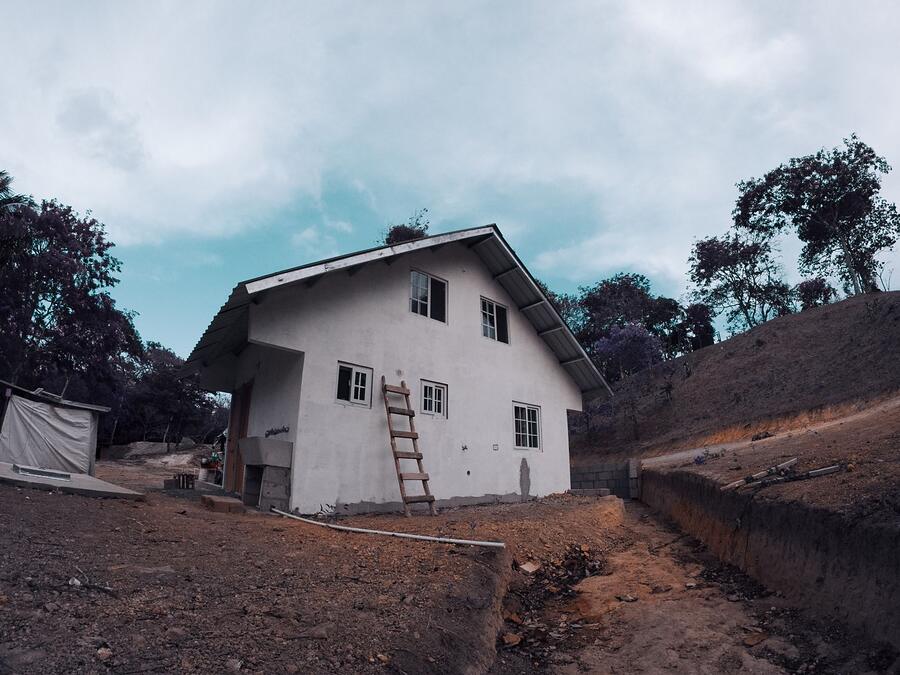
Why Houston homeowners route storm rodent work through us
Three things the contractors we route bring to a house after a flood or a hurricane.
-
The roofline walked, every vent and boot checked
A lifted turbine hood or a torn soffit is invisible from the driveway and obvious from a ladder, and the contractor we route walks the whole roofline after a wind event, measures each opening against the quarter-inch figure UF/IFAS gives as the rat-proofing standard, and closes it with metal. Roof rats travel along branches, wires and trunks, so the broken limb leaning on the roof goes on the list too. The written findings come before the quote.
UF/IFAS: roof rats travel along branches, wires and trunks; a quarter inch is the rat-proofing standard
-
Flood displacement treated as a health matter
After hurricanes and floods the CDC has recorded increases in leptospirosis; it names rodents as carriers and, among its post-flood precautions, lists trapping rodents and keeping food, water and trash in closed containers. The contractors we route check the garage, crawl space and slab edge for animals that arrived with the water, and trap instead of baiting so nothing dies inside a wet wall.
CDC: leptospirosis cases can increase after hurricanes and floods; rodent control is a recommended prevention step
-
Houston prices, storm or no storm
The inspection is free and the work that follows is quoted against Angi's Houston figures, about $831 on average for a rat exterminator job with most homeowners paying $381 to $1,370 and exclusion at $430 to $1,300. After a storm that matters, because the quote on the doorstep from an out-of-town crew has no reference point. Sealing, trapping and any cleanup come as separate lines with the TPCL number on the paperwork.
Angi Houston: rat exterminator jobs $381 to $1,370, exclusion $430 to $1,300
What Reddit Says About Post-Storm Rodent Inspection in Houston
Storm-related rodent threads read like the rest of the corpus with the urgency turned up. Homeowners on r/pestcontrol, r/HomeImprovement and the regional subreddits describe infestations that started in the weeks after a hurricane, and the advice they give each other is the same as for any rodent job: get more than one bid for the same scope, insist on an itemized quote that separates sealing from trapping and cleanup, and ask whether the company does the repair work or only sets traps. Local operators are preferred over national names, and after a storm the distrust of whoever shows up unasked is explicit.
The red flags are familiar. A poison-only plan with no sealing is called harvesting rodents, and the story that poisoned rats go outside to find water is treated as a lie. Sealing with animals still inside is the opposite mistake, and it comes up more after storms because people are eager to close a hole they can see. Long monitoring contracts folded into a removal price and companies that keep coming back for months with nothing changing draw the same complaints, along with quotes for similar work that range from under two thousand dollars to tens of thousands.
The questions to ask are about scope and aftermath: what is included and what is a separate line, whether the sealing is warrantied and whether the warranty renews, how many follow-up visits are in the price, whether the company cleans and decontaminates, and what happens if they come back. One thread ties an infestation directly to the aftermath of a Florida hurricane, and the pattern people describe there, animals arriving after the water and staying because the roof was open, is the Houston pattern too.
Under it is the same emotional register every time: people who cannot sleep, in a house that no longer feels safe, being told by friends that they are overreacting. After a storm they have already been through enough.
The contractors we route put the findings in writing before the quote, seal with metal, and answer the warranty question before the ladder goes up.
A typical post-storm rodent call in Houston
The situation: A couple in a two-story brick slab home in Memorial lost a pine in a summer hurricane. The tree missed the house, but a large limb came through the soffit on the back corner and a turbine vent on the rear slope was found in the neighbor's yard. The roofer is three weeks out. Ten days after the storm they start hearing something run the length of the attic at two in the morning, and the debris pile at the curb has not been collected. They have not slept properly since the power came back.
What gets done: Whoever attends walks the roof and finds the open vent base, the punched soffit, a split in the fascia where the gutter pulled away, and a pipe boot that had been sun-cracked for years and tore in the wind. Quarter-inch galvanized hardware cloth goes over the vent base and the soffit hole as a temporary closure, screwed to framing, with the roofer told exactly what to replace. The boot gets a new collar and the fascia split gets sheet metal. In the attic the droppings run along the back plate to the open vent, so snap traps go on that run and stay a week. The debris pile gets checked for burrows, and the homeowners are told to keep the pantry cleanup in a lidded bin.
How it turns out: The traps take two roof rats in the first four nights and nothing after. The roofer replaces the vent and the soffit section with the hardware cloth left behind it, the return visit finds no new droppings, and the couple receive a list of the four openings with the material used at each, which goes in the insurance file with the roof photos.
Post-storm rodent questions from Houston homeowners
The questions below come from the phone line after floods and hurricanes and from homeowner threads.
After a flood
My garage flooded and now there are droppings. Where did the rats come from?
They came from the ground: burrows along the slab edge, the bayou bank, a storm drain or a debris pile, all of which the water filled. Norway rats live in exactly those places and climb only when they have to, and a flooded garage with a worn door seal is the first dry room they find. The inspection checks the garage door seal, the garage-to-attic panel, the water heater platform and the brick weep gaps, and looks outside for the burrow they left and any new one they dug. Trapping in the garage runs alongside sealing the door, and the CDC's post-flood advice to control rodents and keep food and trash in closed containers applies here.
Is it safe to clean up droppings myself after a flood?
It is manageable with gloves, a respirator rated for particulates, disinfectant and no sweeping or vacuuming of dry droppings, which sends dust into the air. The CDC advises that rodents carry many diseases spread directly through urine, droppings, saliva and bites and indirectly through fleas, ticks and mites, and that is the reason for the mask and gloves. Hantavirus is a western US disease for the most part and the risk in a Houston attic or garage is low; the respirator is for general contamination. Wet a surface with disinfectant before wiping it, bag the material, and wash afterward. For an attic full of droppings and wet insulation, the attic cleanup page describes the professional version.
Does homeowners insurance cover rodent damage after a storm?
Policies vary. Many exclude damage caused by rodents themselves while covering the wind or water damage that let them in, so the vent hood, the soffit and the roof deck tend to be the claim and the rodent work tends to fall outside it. Ask your adjuster before assuming either way. What helps in every case is documentation: photographs of the storm openings before they are patched, the contractor's written findings, and the list of what was sealed. The contractor we route can tell you which items on the quote are worth photographing for the file.
After wind damage
The roofer is weeks out. Should I wait for the roof to be fixed before calling about rodents?
Call now, because the animals will find the opening before the roofer does. A temporary closure of quarter-inch hardware cloth screwed over a missing vent base or a torn soffit keeps rodents out until the permanent repair, and the roofer can leave it in place behind the new component. Waiting three weeks with an open vent in October, when rats are committing to indoor nesting, turns a sealing job into a trapping job. The inspection is free, and it also produces a written list the roofer can work from.
What keeps rats away permanently after a storm?
A closed roofline and a closed ground level keep rats out for as long as the closures hold, and a roofline check after every named storm keeps them holding. Beyond the sealing: get the broken limbs off the roof and prune the canopy back, because branches are the roof rat's road in; get the debris pile collected and check the ground under it for burrows; replace the garage door seal when it tears; and keep the pipe boots and vent bases in view, since Houston sun cracks them within a few years and wind finishes the job. Repellents, ultrasonic plugs and cats do none of that.
Still have a question? Call (713) 804-8785 and ask.