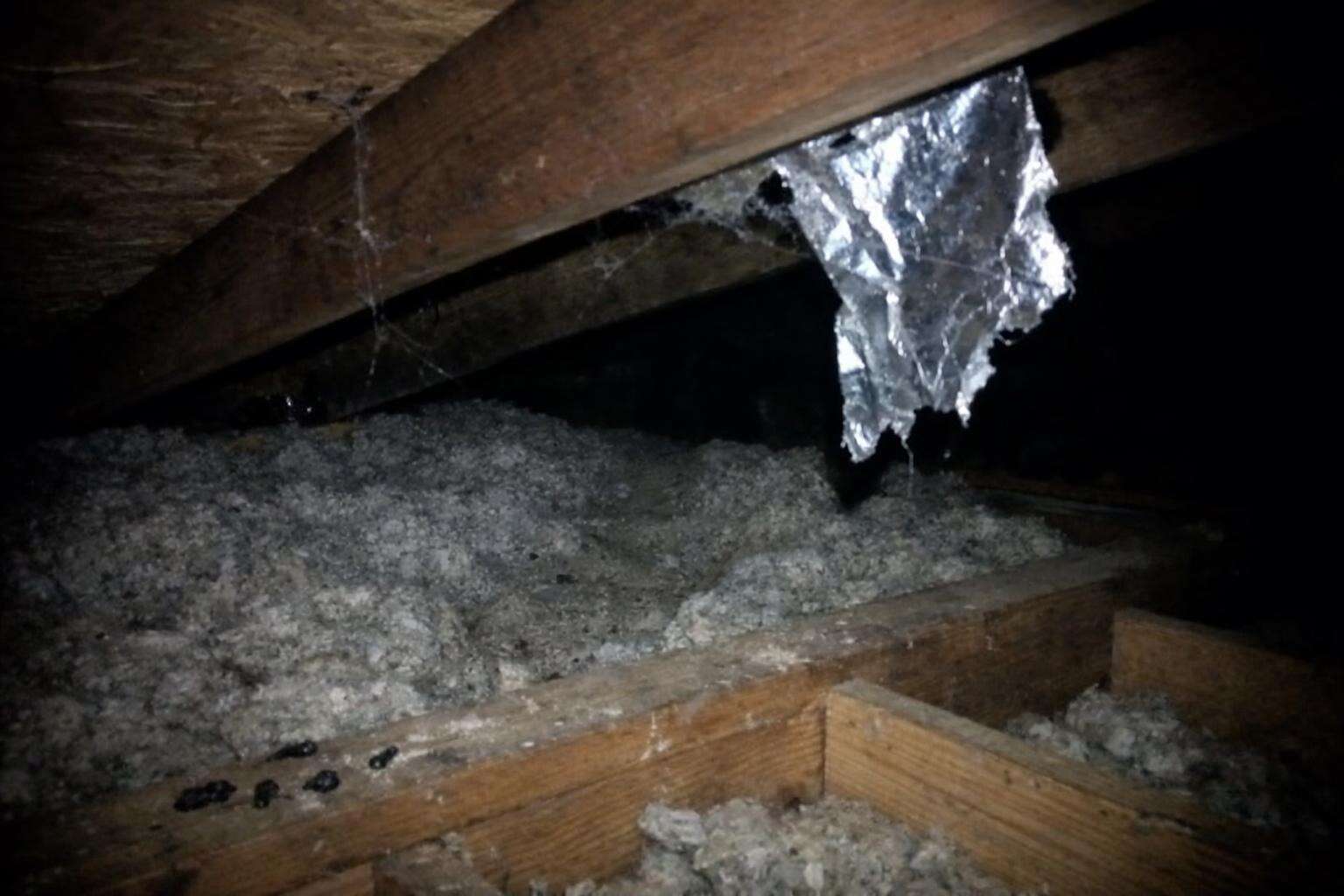
Dead Rodent Removal in Houston, TX
A dead rat or mouse inside a wall or attic is found, removed, and the spot cleaned, followed by sealing the opening it used to get in. Licensed contractors handle every job we route, and the inspection is free.
- Carcass located and removed
- Contact area cleaned and treated
- Entry point sealed after
What dead rodent removal in Houston includes
Dead rodent removal covers finding the carcass, taking it out of the wall or attic, cleaning and deodorizing the material it lay on, and closing the opening the animal used, so that the smell ends and the next rat has no way in. A job that stops at the carcass leaves the reason for the carcass in place.
Whoever attends starts with the nose and a flashlight, then works through the attic, the wall cavities along the odor line, the space under a pier-and-beam floor, and the spots a rat goes to die: near a water source, in insulation, against ductwork where it is warm. Once the animal is out, the insulation or drywall it touched is bagged, the surface is treated with a disinfectant and an enzyme or odor-neutralizing product, and the entry point is closed with steel. The rodent exclusion page covers that last part in detail.
- Odor tracing through attic, walls, crawl space and garage
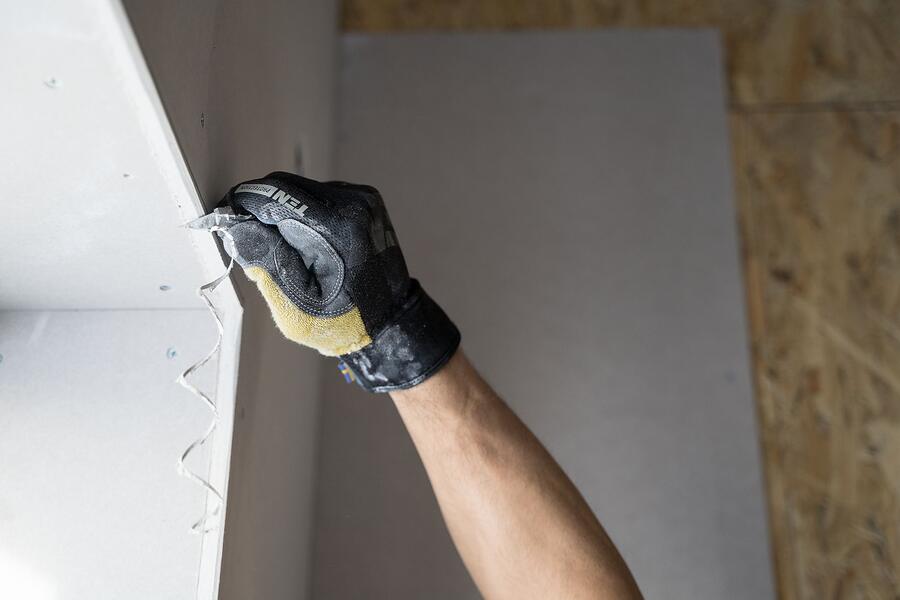
- Access cut in drywall or soffit where the carcass cannot be reached any other way, sized for a clean patch
- Removal of the carcass and any nest material or soiled insulation around it
- Disinfectant and enzyme treatment of the contact surface
- Sealing of the entry point with hardware cloth, sheet metal or mortar
- A written note of where the animal was, what was removed and what was sealed
People who call about this have often spent a week or more unable to use a bedroom, and have been told by someone that they are imagining it. The smell is real and the source can be found. If the house also has live activity, the rat removal page describes how trapping runs alongside.
Signs there is a dead rodent in the wall or attic
The first sign is a sweet, heavy smell that gets stronger over a few days, is worst in one room, and sharpens when the air conditioning cycles on. Flies arriving indoors with no obvious source, a stain or damp patch on a ceiling below the attic, and a pet that fixates on one section of baseboard all point at the same thing.
| What you notice | What it usually means |
|---|---|
| Odor strongest near a return-air grille or supply vent | The carcass is in or against ductwork in the attic, and the air handler is moving the smell through the house |
| Odor concentrated at one wall, low down | The animal died inside the stud bay, often after coming down from the attic through the top plate |
| Odor under the floor of an older inner-loop house | A Norway rat died in the crawl space, common after bait was put out at ground level |
| Blow flies or larvae appearing at a window | Flies have found the carcass and are emerging; the source is close to that room |
| Scratching that stopped abruptly, then the smell began | A rodent that had been active in the attic died there, a common sequence after a poison-only treatment |
A smell that fades on its own does so because the carcass has dried out in the heat, and the animal is still there, in the insulation or the wall, along with the mites and flies it fed. Removing it is the difference between a smell that is gone and one that is merely finished.
Why poison-only plans lead to odor in the walls
Most rodenticides sold for rats and mice are anticoagulants, and the EPA notes that death typically comes 4 days to 2 weeks after the animal starts feeding, which is long enough for a poisoned roof rat to go back to its nest in the attic or inside a wall and die there. The claim that poison makes rats thirsty so they go outside to find water and die in the open has no basis. Homeowners on forums treat anyone who says it as dishonest, and the dead-in-the-wall calls that follow a bait-only treatment are the reason.
UF/IFAS makes the same point from the other direction: trapping reduces the risk of a poisoned rat dying inside a building. A trapped animal is where the trap is. A poisoned one is wherever it happened to be on the day the dose caught up with it, and in a Houston attic that is usually deep in blown insulation, in a soffit box, or down a wall cavity where it followed a plumbing line.
Bait has a place, and a contractor holding the Texas Department of Agriculture license can use it in the right setting: exterior stations along a fence line or slab edge where a Norway rat burrow is active, with sealing done first so the attic is closed off. Bait thrown into an open attic with the roofline still open is the setup that produces the smell in the wall.
How a dead rodent is located and removed
The carcass is found by following the odor to its strongest point, then confirming with a flashlight, a borescope, or a small cut in the drywall, and it is removed with gloves, a respirator and a sealed bag along with anything it soaked into. Most are found in the attic. The harder ones are inside a wall.
In the attic
Whoever attends works the attic from the hatch outward, following the smell and the fly activity, and checks the places roof rats favor: the insulation near the air handler, the top of the ceiling joists above the hottest room, and the soffit boxes at the eaves. Cellulose insulation, which is common in Houston attics, holds fluids and odor more than fiberglass, so the contaminated section is bagged with the animal. The attic cleanup page explains what happens when the contamination is more than one spot.
Inside a wall
A rat that dies in a stud bay has usually come down from the attic along a pipe or wire, and it lies at the bottom plate. The odor line is traced along the wall at floor level, the bay is confirmed with a borescope through a small hole, and a square is cut in the drywall large enough to reach the animal and clean the plate. The patch is left for a drywall finisher or done by the contractor as a separate line; ask which before the cut is made.
Under a pier-and-beam floor
In the older bungalows of the Heights, Montrose and Eastwood, a Norway rat that took bait at the slab edge or fence line often dies in the crawl space. That one is reached from the crawl space access, bagged, and the crawl space vent or skirting gap it used is screened at the same visit.
Cleaning the spot
The contact surface is sprayed with a disinfectant, allowed to sit, wiped, and then treated with an enzyme or odor-neutralizing product. Soiled insulation is removed and replaced in that section. The respirator is for droppings and general contamination; hantavirus cases in the United States are concentrated in the western states and the risk in a Houston attic is low, and it is right to say so plainly.
How long does a dead rat smell last in the wall?
It lasts until the carcass has either been removed or fully dried out, and how long the drying takes depends on the animal's size, how warm the cavity is, how much air moves through it, and how humid it is. In Houston, where the average relative humidity sits around 73 percent and reaches roughly 90 percent at dawn, drying is slow, and a carcass in a closed wall cavity holds its odor longer than one in a hot, ventilated attic.
Two things make the timeline longer than people expect. The first is the air handler: an attic carcass near a duct leak or the return plenum gets its smell distributed each time the system cycles, so the house seems to get a fresh dose on a schedule. The second is that a rat is rarely alone. A poison-only treatment that killed one animal in the attic often killed two or three, at different times, in different places, so the smell peaks, eases and returns as each one is reached.
No published figure for odor duration is offered here because none from a government or university source was found; anyone quoting a number of days is guessing. Removal ends it the same day the animal comes out.
Should I use poison for rats in the attic?
Bait in an open attic is the single most common cause of the dead-in-the-wall smell, and the professional answer for a Houston attic is sealing plus trapping, with any bait limited to exterior stations placed by a licensed applicator. The sequence that works is described in full on the rat removal page: close the roofline, set snap traps on the runs that afternoon, leave them a week or longer because UF/IFAS notes roof rats are wary of new objects, and verify before the last opening is closed.
| Method | Where the animal ends up | Odor risk | Fits a Houston attic? |
|---|---|---|---|
| Snap traps on marked runs | In the trap, removed at the check | Low | Yes, alongside sealing |
| Anticoagulant bait in the attic | Wherever it was 4 days to 2 weeks later, per EPA timing | High | No |
| Exterior bait stations at slab edge or fence line | Usually outdoors near the burrow | Moderate | Only after sealing, placed by a TDA-licensed applicator |
| Sealing with no trapping | Inside the house, chewing for a new exit | High | No; seal and trap together |
| Glue boards | On the board, if it holds | Low to moderate | Rarely; larger rats pull free |
Anyone placing rodenticide for hire in Texas needs the Texas Department of Agriculture business license, so a contractor proposing attic bait should be able to give a TPCL number on the spot. Every contractor we route holds the TDA license the job needs, and the recommended approach on a Houston attic job is still trap and seal.
What dead rodent removal costs in Houston
Dead rodent removal runs $150 to $500 nationally in HomeGuide's 2026 figures, and the price for a specific house depends on whether the animal is in the open attic or behind finished drywall, how much insulation has to come out with it, and whether the entry point is sealed on the same visit. The inspection that finds it is free.
| Line item | Houston (Angi) | National (HomeGuide 2026) |
|---|---|---|
| Dead rodent location and removal | Confirmed at inspection | $150 to $500 |
| Standalone inspection | $100 to $200 elsewhere; free here | $0 to $175 |
| Follow-up visit | $50 to $150 | Included or per visit; ask |
| Sealing the entry point (exclusion) | $430 to $1,300 | $500 to $2,500 |
| Attic cleanup if contamination is widespread | Confirmed at inspection | $600 to $2,500 |
What pushes a job toward the top of the band is access. An attic carcass reached from the hatch is the bottom. A wall carcass that needs a borescope, a drywall cut and a patch, or a crawl space job under a pier-and-beam floor with a screened vent added, sits higher. If the smell turns out to be more than one animal, each is priced as found. Ask for the removal, the cleaning, the patch and the sealing as separate lines, which is the only way two bids can be set side by side.
Dead rodents in Houston attics and walls
Houston produces more dead-in-the-wall calls than a drier city because of three local facts: the roof rat lives in the attic, most attics are insulated with material that holds fluids, and the humidity keeps a carcass from drying. Add a mild winter with no die-off and a breeding cycle that runs all year, and a house with one poisoned rat usually has others on the way.
Roof rats die where they nest
The Houston attic species is the roof rat, which climbs to the roofline from live oaks, fruit trees, fences and utility lines and nests above the ceiling. A poisoned roof rat goes home to die, and home is the blown fiberglass or cellulose above a bedroom, often against a duct. Norway rats stay low and die in crawl spaces, garages and along slab edges, which is why the older pier-and-beam houses inside the loop get the smell under the floor while the slab subdivisions of Katy, Sugar Land and Cypress get it from the attic or the wall behind the brick veneer.
Humidity slows drying
Houston's humid subtropical climate delivers about 50 inches of rain a year and dawn humidity near 90 percent, and cellulose insulation in particular takes up moisture and holds odor. That is why a Houston attic job so often turns into remove-and-replace for the affected area, described on the attic insulation replacement page.
Season and storms
Calls for the smell follow the trapping season by a few weeks: rats commit to indoor nesting when night temperatures drop in October through December, the bait goes out, and the odor calls arrive from November on. After floods, rats and mice pushed out of burrows and storm drains move into garages and attics, and a house that took bait after a storm is a house with carcasses to find. The CDC links rises in leptospirosis cases to hurricanes and flooding, counts rodents among the reservoirs, and recommends rodent control as a post-flood measure; removing a carcass and cleaning the spot is part of that.
Licensing for the work
Removing a dead animal and cleaning the spot is not itself a licensed activity, but the trapping and any bait that runs alongside are. Any business controlling rats and mice for hire in Texas needs a Texas Department of Agriculture business license and a certified applicator, and the TPCL number is displayed on the truck. Every contractor we route holds the TDA license the job needs; ask for the TPCL number and confirm it with the Texas Department of Agriculture before work starts.
What to check before someone opens a wall
The contractor should locate the animal before cutting, size the cut to the job, quote the removal and the patch separately, and put the sealing on the same quote, and anyone who proposes more bait as the fix for a smell caused by bait should be thanked and sent away. Ask these before the work starts.
- How will you confirm where the animal is before cutting drywall, and who patches the cut?
- Is the cleaning and deodorizing of the contact area included, and what product is used?
- Will the entry point be sealed on this visit, and with what material?
- If there is more than one carcass, how is the second one priced?
- How many follow-up visits are included if the smell returns?
- What is your TPCL number, and does the quote include any trapping or bait?
- What are the warranty terms on the sealing, in writing?
The contractor doing the sealing sets the warranty terms, and the useful questions are what the warranty covers, how long it runs, and whether it renews. The about page describes what a routed contractor should hand you in writing, and the contact page has the phone line and the form.
Services that usually go with this one
Most Houston jobs run as a sequence, and these pages describe the steps on either side of this one.
- Rat Removal: Trapping roof rats out of the attic and Norway rats out of the crawl space, sequenced with sealing.
- Attic Cleanup and Decontamination: Removing droppings, nests and urine-soaked insulation, then sanitizing the attic.
- Rodent Exclusion: Closing the roofline, brick weeps, vent boots and crawl-space skirting in steel and metal.
How the pieces fit together is covered on the about page, or by phone at any hour.
Where the smell comes from
Why the odor lingers, and what ends it.
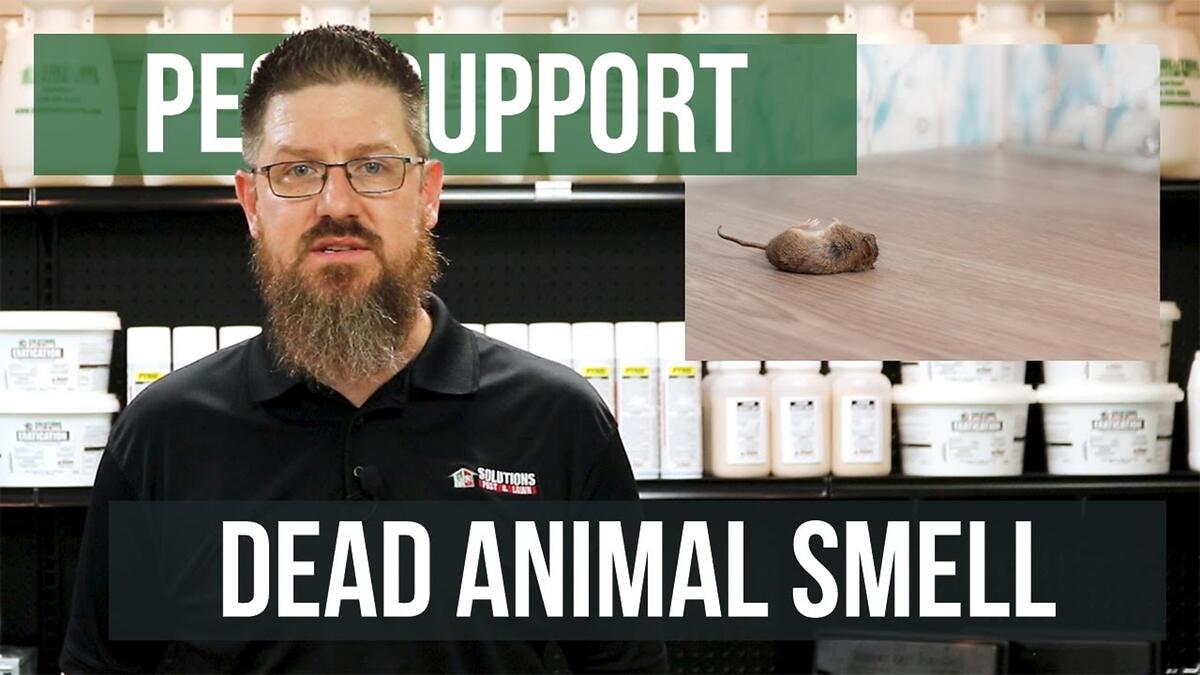
Video: How do I get rid of dead animal smells?, from Solutions Pest & Lawn.
How a dead rodent call runs in Houston
The carcass is found and removed first, and the sealing that stops a repeat is built into the same visit.
-
Odor tracing and inspection
Whoever attends follows the smell through the attic, walls and any crawl space, confirms the spot with a flashlight or borescope, and reads the attic for the runs and entry the animal used. The inspection is free.
-
Removal and cleaning
The carcass, nest material and soiled insulation are bagged, and the contact surface is disinfected and treated with an odor neutralizer. A drywall cut is made only where nothing else reaches.
-
Sealing the entry
The vent boot, soffit gap, brick weep or crawl space vent the animal used is closed with hardware cloth, sheet metal or mortar, measured against a quarter inch.
-
Trapping and return check
If live activity remains, snap traps are set on the runs before the contractor leaves and stay a week or more. A return visit confirms the smell is gone and nothing new is moving.
Why Houston homeowners route dead rodent calls through us
The jobs we route treat the carcass as a symptom and the open roofline as the problem.
-
Trap and seal, so there is no next carcass
A dead rat in a wall is the end of a poison-only plan, and the contractor we route does not repeat it. The animal is removed, the entry is closed with steel the same day, and any remaining activity is trapped on the runs where the trap can be checked. UF/IFAS states that trapping reduces the risk of a poisoned rat dying inside a building, and that is the whole argument for the sequence on a Houston attic job.
UF/IFAS: trapping reduces the risk of a poisoned rat dying inside a building
-
Found before anything is cut
Drywall is opened only after the animal has been located by odor line and borescope, and the cut is sized to reach the bottom plate and clean it. In the older pier-and-beam houses inside the loop the search includes the crawl space, and in the slab subdivisions it includes the wall behind the brick veneer. The written note afterward says where the animal was, what was removed, and what was sealed.
EPA: anticoagulant rodenticides typically kill 4 days to 2 weeks after feeding begins, which is why the animal is rarely near the bait
-
Priced in separate lines against a published band
Dead rodent removal sits at $150 to $500 in HomeGuide's 2026 national data, and the quote you receive separates the removal, the cleaning, any drywall patch and the sealing so two bids can be read against each other. The inspection that finds the animal is free, where Houston contractors elsewhere charge $100 to $200 for it according to Angi, and any follow-up visit is quoted before it happens.
HomeGuide 2026: dead rodent removal $150 to $500 nationally
What Reddit Says About Dead Rodent Removal in Houston
The smell of a dead animal in a wall is one of the fears that drives its own searches on r/pestcontrol and r/HomeImprovement, and the threads about it almost always start the same way: a company put out bait, the scratching stopped, and a week later the house began to stink. People vet the next contractor by asking whether the company traps and seals or only baits, by getting more than one bid for the same scope, and by preferring a local operator who will come back over a national brand that sends a different person each time.
The red flags they name all lead to the same smell. The line that poison makes rats thirsty so they go outside to die is called out as a myth, and anyone repeating it is treated as either untrained or dishonest. A company that responds to the smell with more bait, a quote that bundles a monthly monitoring plan into a one-time removal, and a contractor who cuts drywall without first locating the animal all draw warnings. So does trapping with nothing sealed, which the threads describe as harvesting rodents for as long as you keep paying.
The questions people tell each other to ask are practical: what exactly is included and what is a separate line, will you clean and decontaminate or only remove the animal, how many follow-up visits come with the price, and what happens if the smell comes back. Rodent mites lingering after the animal is gone come up as an aftermath problem nobody warns about, and a few threads note that the smell was two animals in two places, found weeks apart.
Under the practical talk is the human part: people sleeping in another room, feeling that the house has been taken from them, and being told by friends that a smell is nothing to be dramatic about.
The contractors we route find the animal before they cut, clean the spot, seal the entry, and answer the follow-up question in writing.
A typical dead rodent call in a Houston attic
The situation: A couple in a two-story brick-veneer house in Cypress heard scratching above the upstairs bedroom in late October, and a company they found online set bait blocks in the attic and left. The scratching stopped after ten days. A week later a sweet, heavy smell settled into the bedroom, strongest whenever the air conditioning kicked on, and flies started showing up at the window. They have been sleeping downstairs on the couch.
What gets done: Whoever attends follows the smell from the return-air grille up into the attic and finds a roof rat in the blown insulation against the supply plenum, plus a second, older carcass in the soffit box at the rear eave. Both are bagged with the insulation around them, the plenum and joists are disinfected and treated with an enzyme product, and the affected sections of insulation are replaced. The entry turns out to be a UV-cracked plastic base on a mushroom vent and the soffit-to-brick joint at the same corner; both are closed with hardware cloth and sheet metal. Snap traps go on the run along the top plate in case anything is still moving.
How it turns out: The smell is gone from the bedroom that evening once the carcasses are out and the system has cycled. The traps stay a week and take nothing. At the return visit there are no fresh droppings, the couple has the written note of what was found, removed and sealed, and they are back in their own bed.
Dead rodent questions from Houston homeowners
These are the questions that come in on the phone line and in homeowner threads about a smell in the wall.
Finding and removing the animal
Can you find a dead rat inside a wall without tearing it open?
Usually the location can be pinned to one stud bay from the outside by following the odor along the wall at floor level, checking for warmth and fly activity, and confirming with a borescope through a hole the size of a pencil. A cut is then made only in that bay, sized to reach the bottom plate where the animal lies and to clean it. Where the smell is coming from the attic, there is often no cut at all; the animal is reached from the hatch. Ask the contractor to confirm the spot before opening anything.
Will the smell go away by itself if I wait?
The smell fades once the carcass has dried out, and in Houston's humidity that takes longer than it would in a dry climate; the animal, the stain and any mites remain in place afterward. Waiting also leaves the entry point open, so the same thing can happen again with the next rat that comes in off the roofline. Removing the carcass ends the smell the same day, and sealing the opening is what keeps it from returning. No duration figure is given here because no sourced one exists.
Is a dead rodent in the attic a health risk?
The CDC states that rodents carry many diseases spread directly through urine, droppings, saliva and bites and indirectly through fleas, ticks and mites, and a carcass with its nest is the concentrated version of all of that. It is handled with gloves and a respirator, bagged, and the contact area is disinfected. Hantavirus gets raised often; most United States cases are in the western states and the risk in a Houston attic is low, so the respirator is for general contamination and droppings. The bigger practical risk is mites and flies leaving the carcass for the living space.
Stopping it from happening again
The exterminator said the rats would go outside to die. Why did one die in my wall?
Because that claim is folklore. Anticoagulant baits take effect over 4 days to 2 weeks according to the EPA, and during that time a roof rat keeps using its nest in the attic or its route down a wall, so it dies wherever it happens to be, which is more often indoors than out. UF/IFAS puts the same fact in its guidance: trapping reduces the risk of a poisoned rat dying inside a building. A contractor who used attic bait and gave you the thirsty-rat line should be replaced by one who traps and seals.
Does removing the dead rat fix the problem?
It fixes the smell. The problem is the opening the animal used, and until that is closed the attic is available to the next rat to climb down from the live oak or along the fence. Houston rats breed all year with no winter die-off, so an open roofline in a neighborhood with activity gets used again. The jobs we route close the entry with hardware cloth, sheet metal or mortar on the same visit and set traps for anything still inside, which is why the removal and the sealing appear on one quote as separate lines.
Still have a question? Call (713) 804-8785 and ask.