Rodent Removal in Memorial
Memorial is heavily wooded lots along Buffalo Bayou, which gives the roof rat a canopy road to every roofline and gives the Norway rat a bank to burrow in. Whoever attends starts in the trees and ends in the attic. Licensed contractors handle every job we route.
- Free inspection under the canopy
- Roofline sealing after Beryl
- TDA-licensed contractors only
Pines, oaks and the roof rat in Memorial
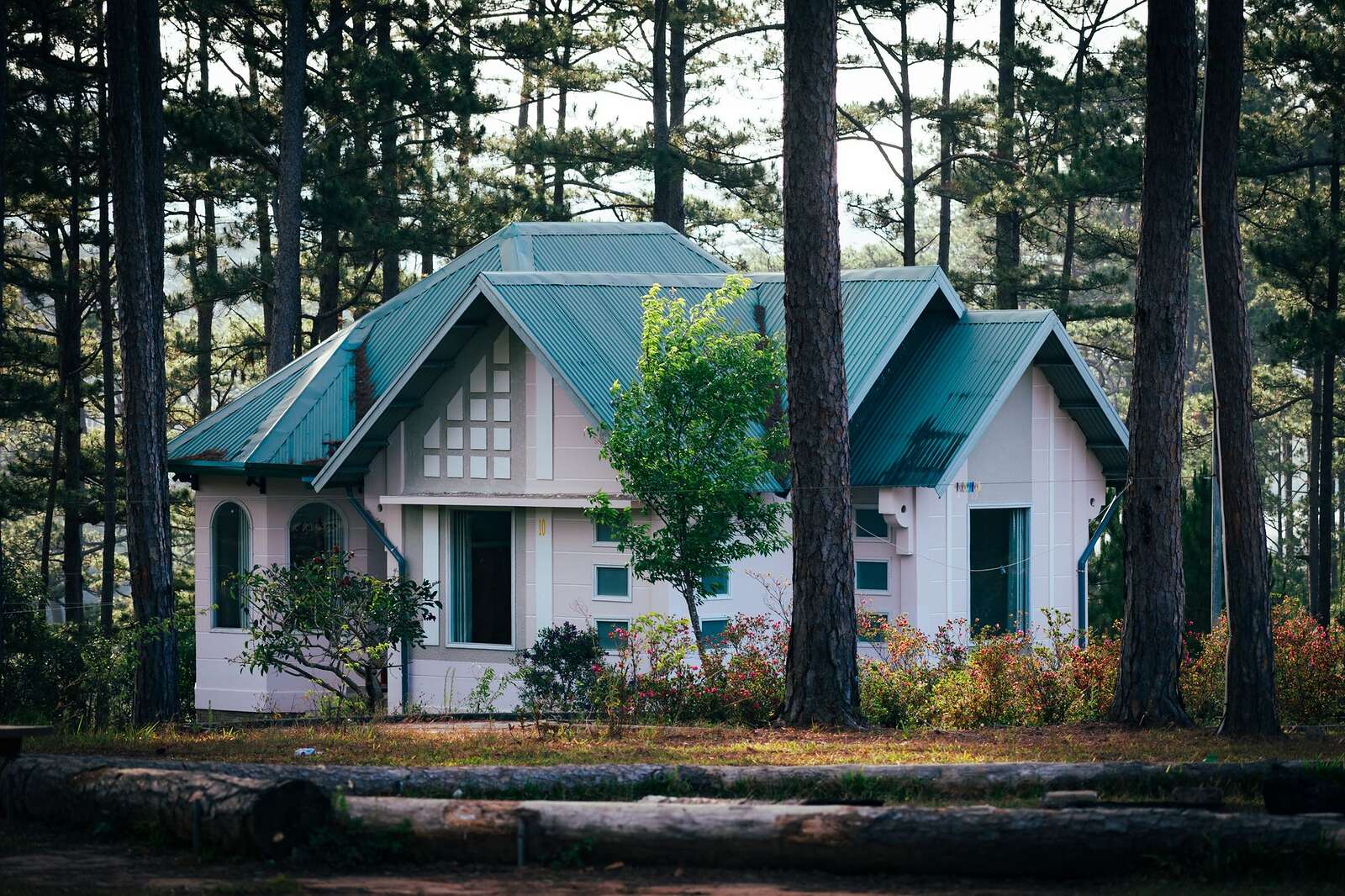
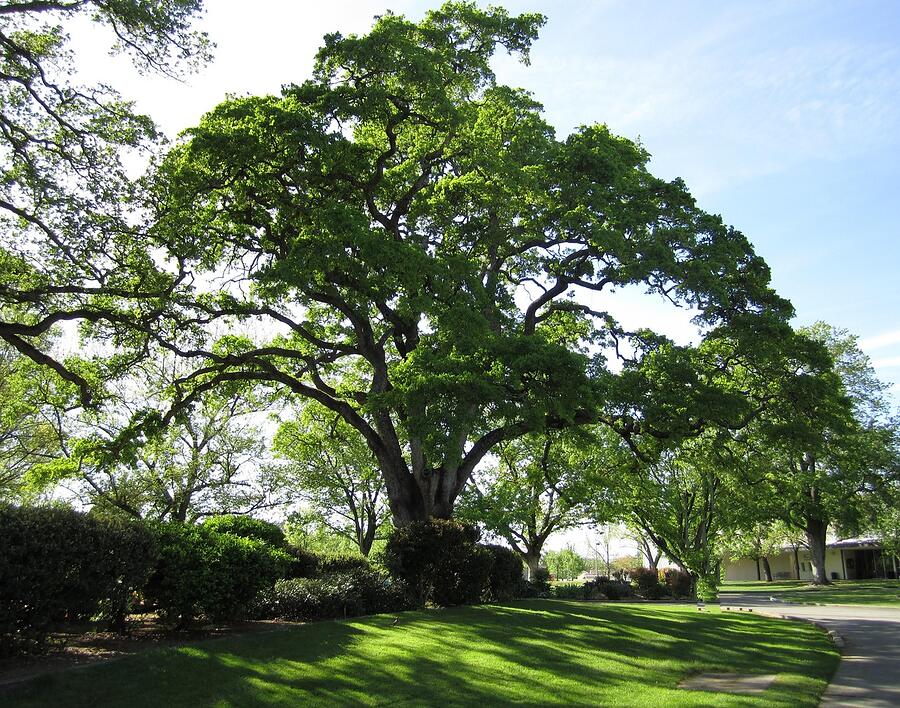
The trees that made Memorial expensive are the reason roof rats are its main rodent. The first significant residential development here began in the 1950s, with Memorial Bend platted in 1955 and most of the subdivisions following in the 1960s boom, and the city itself describes the area as heavily wooded terrain that drew buyers for exactly that reason. The lots are large, the houses are mostly single-story or low two-story mid-century designs on slabs, and the canopy of loblolly pines and live oaks closes over the roofs.
UF/IFAS describes the roof rat as an arboreal animal that travels along branches, wires and trunks and ranges about 150 yards from its den. On a Memorial lot that is the whole property. A pine limb over the ridge, an oak limb resting on the gutter or a cable line into the eave is a ramp to the roof, and once on the roof the animal tests the soffit returns, the roof-to-wall transitions, the plastic bases of the mushroom and turbine vents and the rubber pipe boots that Houston sun cracks within a few years. Vented attics are standard here because of the heat, and each vent is a screen that can fail.
The construction below the roof is suburban slab, so the sealing is a roofline and brick-veneer job. The soffit-to-brick joint and the weep holes at the base of the brick are the ground-level entries, and the AC line set and the garage door corners finish the list. The rodent exclusion page separates this work from the crawl-space sealing the older inner-loop neighborhoods need.
The Memorial super neighborhood is inside the City of Houston and Harris County, annexed in stages from the 1950s to the 1980s. The six Memorial Villages next door are separate cities in the same county, and calls from both are routed to the same contractors, each holding the Texas Department of Agriculture license that covers rats and mice.
What Beryl did to Memorial rooflines
Hurricane Beryl opened roofs in Memorial in July 2024, and an opened roof is a rat entry until it is closed with something metal. Beryl came ashore near Matagorda on July 8 as a Category 1 storm, and a Galveston Bay station recorded sustained winds of 73 mph with gusts to 82. Coming two months after a derecho that had already stressed the old-growth canopy, the wind brought down trees across the city, and arborists interviewed by the Houston Chronicle reported more downed oaks and pines than any other species, the tall, broad-crowned trees that Memorial has more of than almost anywhere in Houston. The city collected more than 4.7 million cubic yards of debris.
A limb that punches through composition shingle gets a tarp and eventually a roofer. The smaller damage is what lets rats in: a lifted soffit panel, a bent ridge vent, a turbine vent knocked off its base, a fascia board split at the corner. Those openings sit under a canopy full of displaced animals, and the roof rat finds them before the roofer does. A post-storm rodent inspection after any named storm is a ladder walk along every eave to find what the wind opened.
Tree work after Beryl changed the rodent routes too. A lot that lost a pine over the garage lost a ramp to the roof, and a lot that lost a fence to a fallen oak gained a run from the neighbor's yard. Pruning limbs back from the roof and clearing the debris piles that sat for weeks are the two things a Memorial homeowner can do that make the sealing last.
Buffalo Bayou, the reservoirs and the Harvey releases
Buffalo Bayou is the southern edge of Memorial and the corridor rats use to move along it. Norway rats burrow in the bayou banks and the drainage outfalls, and the bayou connects Memorial to Barker Reservoir on the west and to the whole of central Houston downstream, which is why the neighborhood has a standing rodent population between storms and a surge after them.
Harvey in 2017 flooded Memorial from two directions. The rain filled the streets, and then rising levels in Addicks Reservoir to the north and Barker Reservoir to the west forced the Army Corps of Engineers to release water into Buffalo Bayou far above normal rates, flooding the low-lying streets near Terry Hershey Park and in the Memorial Villages for days after the rain stopped. The Sam Houston Tollway near CityCentre sat under water for a week. Water that stands for days empties every burrow along the bayou, and Houston pest firms reported to local news that rodents moved into attics in numbers they had never seen. The CDC ties increases in leptospirosis to hurricanes and floods, names rodents among the reservoirs, and recommends rodent control as post-flood prevention.
A Memorial house near the bayou gets both fronts in one job. The rat removal page covers the trapping, and on a house that flooded in 2017 the attic is worth a look for old contamination even where the water never reached it, because the animals that came in after the release often stayed. Cellulose insulation that has been nested in holds Gulf humidity and gets replaced, and the attic cleanup page explains that decision. Someone who has been listening to a ceiling since the last storm and has been told it is the price of living in the trees gets a straight answer at the inspection, which is free and can be booked on the contact page.
A pine limb over a Memorial roof
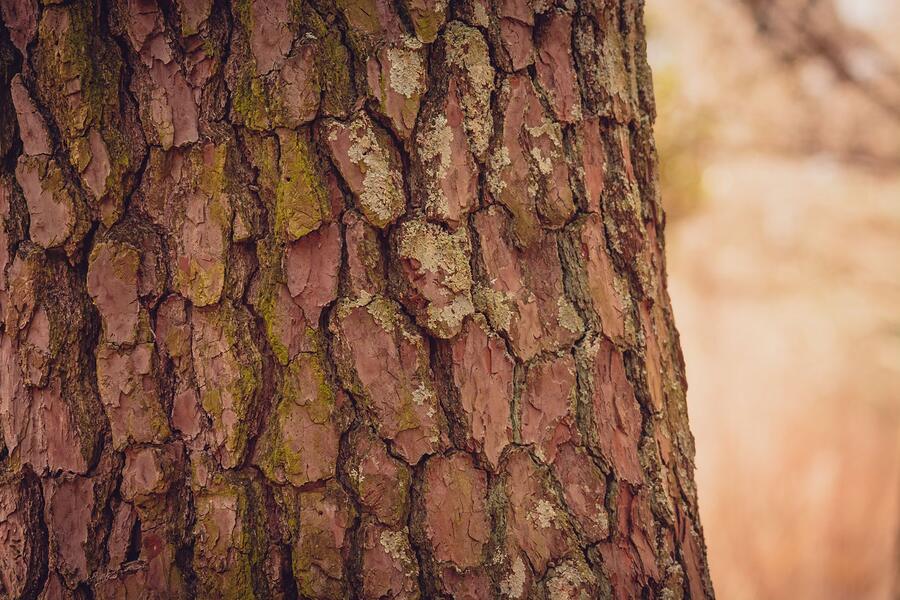
The most common rodent route in Memorial is a limb that touches or overhangs the roof. The photo shows a representative case: a loblolly pine limb lying across the shingles a few feet from a turbine vent, with the plastic base of the vent cracked at the seam. Roof rats travel along branches and wires, and a limb on the roof is the ramp, the vent base is the door. The fix is the limb pruned back from the roof, a new vent base or quarter-inch hardware cloth screwed to the framing around it, and a walk of the rest of the eave for the next one.
Materials that keep rodents out
A comparison of what actually holds at a gap.
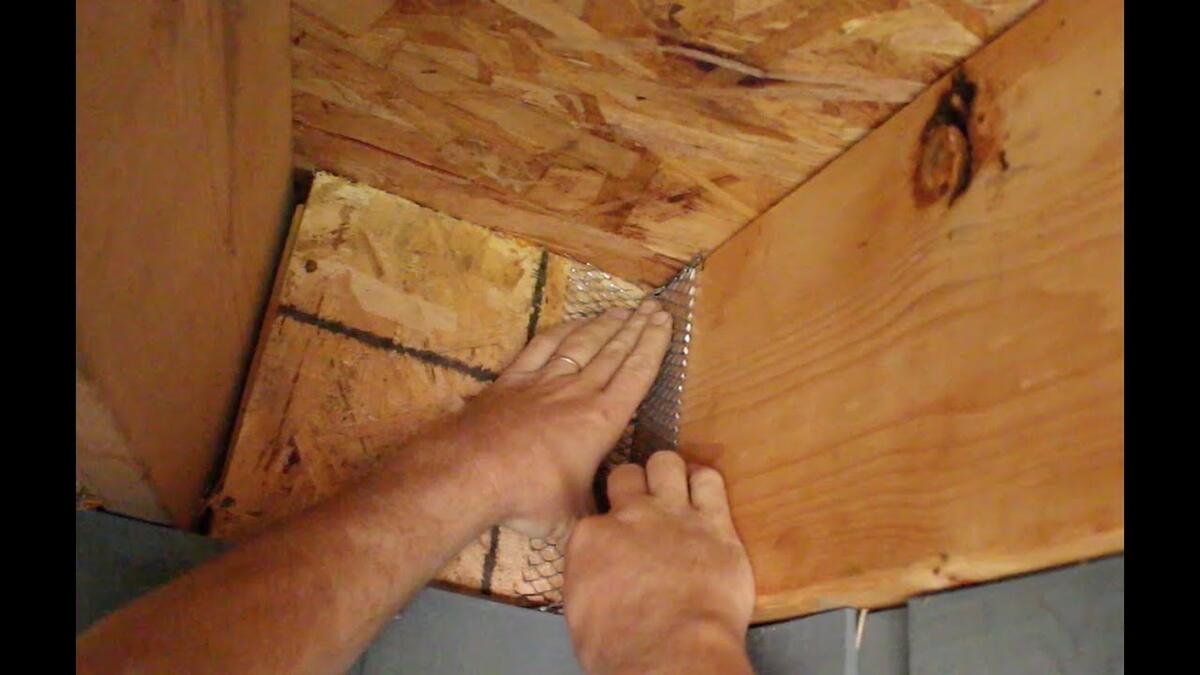
Video: How to keep mice out. Cheaper than hardware cloth, from Ontario Lakeside.
Why Memorial homeowners book through us
Three things that matter on a wooded lot along the bayou.
-
The roofline sealed with metal under a canopy
On a Memorial roof the entries are soffit returns, vent bases, pipe boots and the soffit-to-brick joint, and the contractor we route closes each with galvanized hardware cloth or sheet metal fastened to framing, measured against the quarter-inch opening UF/IFAS gives as the rat-proofing standard. The visit ends with a pruning list of every limb within reach of the roof, because the sealing lasts longer when the ramp is gone. The written closure list names each opening and its material.
UF/IFAS: roof rats are arboreal and travel along branches, wires and trunks
-
Post-storm inspection, free, before the roofer arrives
After Beryl the wait for a roofer ran weeks, and rats do not wait. The inspection here is free and a ladder walk after a storm finds the lifted soffit panel or knocked-over turbine vent that a tarp does not cover. In CDC data leptospirosis rises after hurricanes and floods, rodents are among the reservoirs, and rodent control is part of the recommended response, which is the reason a rodent check belongs on the post-storm list with the tree crew and the roofer.
CDC: leptospirosis case increases follow hurricanes and floods; rodent control recommended
-
Licensed for the bait, itemized on the quote
Every contractor we route holds the TDA structural pest control license, and TDA's homeowner flyer on rodent control says to ask for credentials and confirm the license before signing. The quote you receive keeps sealing, trapping, cleanup and return visits on separate lines, against Angi's Houston bands of about $831 average for a rat job, most homeowners paying $381 to $1,370, and $430 to $1,300 for exclusion. A large two-story Memorial house with a long eave and six penetrations sits at the upper end.
Angi Houston: rodent exclusion work $430 to $1,300
A typical rodent call from a wooded Memorial lot
The situation: A homeowner in a 1960s house under pines a few streets north of the bayou lost a limb through the garage roof in Beryl, got a tarp on it and waited eight weeks for a roofer. By the time the roof was fixed there was running in the attic at night and a smell in the hall closet. A relative told them everyone in Memorial has rats and to stop worrying, which did nothing for the nights.
What gets done: Whoever attends walks the eave and finds the roofer closed the hole and left a soffit panel the limb had lifted, plus a turbine vent with a cracked base on the far slope and two pine limbs still resting on the ridge. Inside, the dropping run leads to a dead rat behind the closet wall, which is removed as its own line. The soffit and vent get hardware cloth and a new base, the limbs go on a pruning list, snap traps go on the run the same day for a full week, and the quote lists sealing, trapping, dead animal removal and one return visit separately.
How it turns out: Two rats are trapped in the first four nights, the smell is gone with the carcass, and the return visit finds the attic quiet. The homeowner has the limbs cut back the following month and keeps the closure list with the roof invoice.
Memorial rodent questions
Questions that come up on calls from the wooded streets along the bayou.
Trees and storms
Do I have to cut down the pines to keep rats off the roof?
No. The limbs need to come back from the roof, and the roof needs to be sealed. UF/IFAS describes roof rats moving along branches, wires and trunks, so a limb resting on shingles is a ramp and a limb several feet clear of the roof is a gap the animal has to jump. Pruning to clearance plus a sealed roofline is the combination that holds. Cable and utility lines into the eave are ramps too, and the inspection notes each one so the sealing at the line entry gets done.
My roof was damaged in Beryl and repaired. Could rats still be getting in?
Yes, and it is one of the more common calls from Memorial since 2024. Roofers close the hole and replace shingles. They usually leave lifted soffit panels, bent ridge vents, cracked vent bases and split fascia corners alone, because those are outside the roofing scope. Rats that were displaced by the same storm find those openings. A free inspection walks every eave from a ladder, and a post-storm rodent inspection exists for exactly that check.
The job
Is hantavirus a risk in a Memorial attic?
The risk is low. Most hantavirus cases in the United States occur in the western states, and the Houston attic species is the roof rat. Respirators and suits during a droppings cleanup are for general contamination, because droppings and urine carry other diseases the CDC documents spreading through direct contact and through fleas, ticks and mites. Whoever handles the cleanup wears the protection for that reason, and the attic gets a remove-and-replace where the insulation is soiled, with the cost quoted as a separate line.
Does the license matter if the contractor only sets traps?
In Texas, trapping alone has been exempt from the TDA license since 2009, and placing any rodenticide bait requires it. Most jobs under a Memorial canopy involve trapping plus sealing, and any that use bait need the license. The contractor we route holds it either way, and the TPCL number on the vehicle can be checked with the Texas Department of Agriculture before work begins, which is what TDA's own consumer flyer advises. If a job turns into squirrel or raccoon work, Texas Parks and Wildlife rules apply as well.
Still have a question? Call (713) 804-8785 and ask.