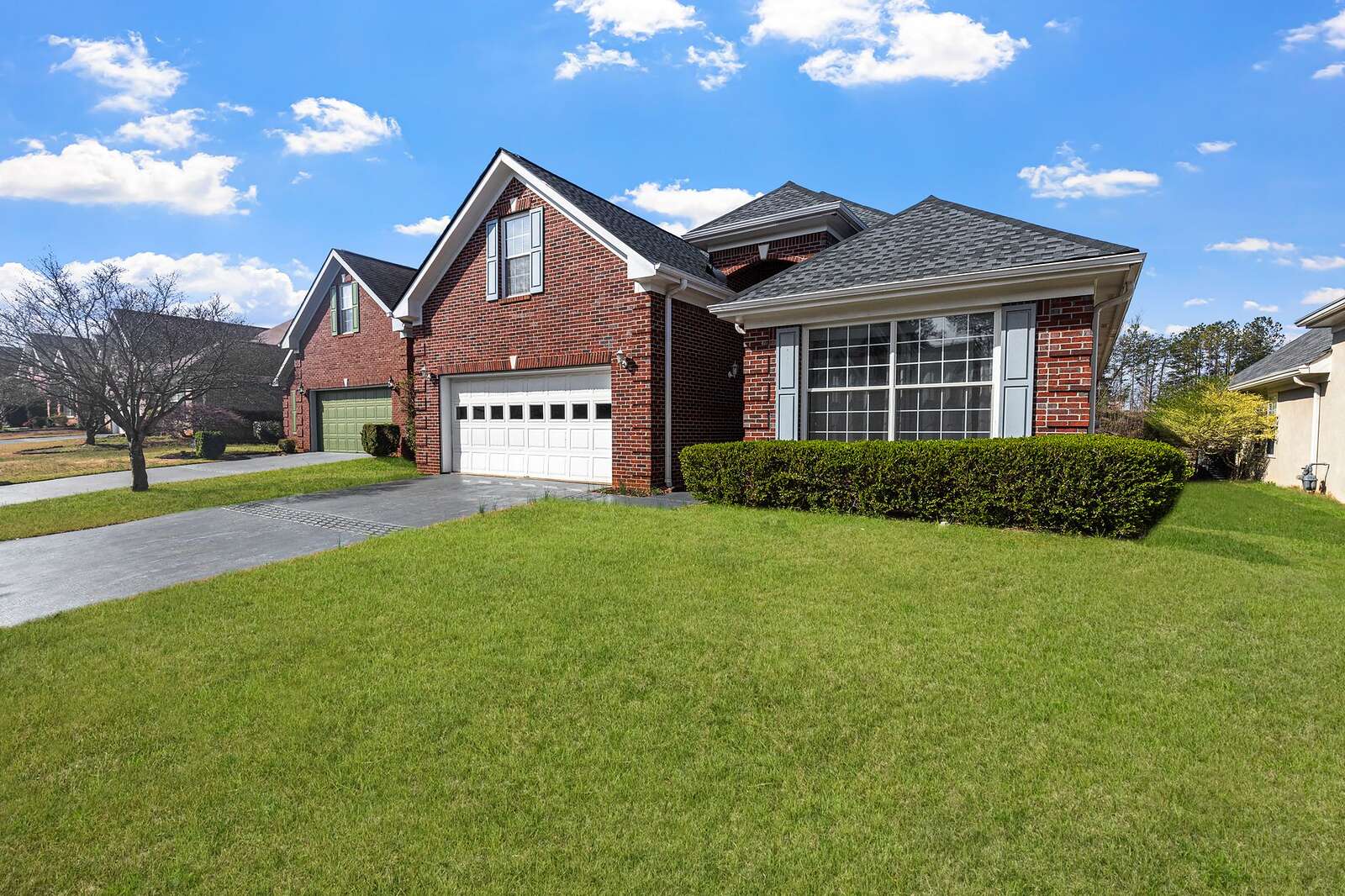
Rodent Removal in Meyerland
Meyerland sits on Brays Bayou, and every flood since 2015 has pushed rats out of the banks and into garages and attics. Whoever attends knows the raised houses, the original slabs and the bayou. Licensed contractors handle every job we route.
- Free inspection, raised or original
- Brays Bayou bank to attic
- TDA-licensed contractors only
Rodents in Meyerland ranch houses, raised and original
Meyerland has two kinds of houses now, and rats reach each of them by a different route. The subdivision was laid out in 1955 on 1,200 acres of former fields, and the original stock is the mid-century ranch house on a slab, in the Tudor, colonial and contemporary variations the neighborhood is known for. Since Harvey a large share of those houses have been lifted several feet on new piers or torn down and rebuilt above base flood elevation, which the Houston Chronicle put at roughly 136 elevated originals by 2022 with new builds going up higher still.
An original ranch on its slab is a suburban-style exclusion job. There is no crawl space, so the Norway rat works the slab edge, the garage corners and the utility penetrations, and the roof rat comes down out of the live oaks onto a low hip or gable roof and tests the soffit-to-brick joint, the vent boots and the mushroom vents. The roofs are low and the eaves are long, which makes the inspection easy and the entries plentiful.
A raised house is a different animal. Lifting a slab house five to ten feet puts an open void under the whole floor, and the new skirting, lattice or masonry infill around that void is the first thing to check. Openings a rat can pass are anything half an inch or larger, and a quarter inch is the standard UF/IFAS gives for rat-proofing, so a skirting panel that fits within a finger of the pier is a door. New utility runs up through the raised floor add penetrations that the original house never had. The rodent exclusion work on a raised Meyerland house starts under the floor and moves up.
Meyerland is inside the City of Houston and Harris County, so the contractor we route holds the Texas Department of Agriculture license that covers rats and mice, and the TPCL number should be on the truck.
Brays Bayou, three floods and where the rats went
Brays Bayou is why rats in Meyerland are a recurring problem and why they spike after every high-water event. The bayou runs east-northeast straight through the neighborhood on its way under the 610 Loop, and part of Meyerland lies inside the 100-year floodplain. The Memorial Day flood of 2015 put water from Brays into more than 400 Meyerland homes. The Tax Day flood came in 2016. Harvey in 2017 was worse than either, and by the Chronicle's count about 17 percent of the original mid-century houses have never flooded at all.
Norway rats burrow in bayou banks and storm drain margins, and a bayou that leaves its banks empties those burrows. The animals move uphill to the nearest dry cover, which on a Meyerland street is a garage, a raised-house void or an attic. Houston pest firms reported to local news after Harvey that rodents moved into attics in numbers they had never seen. The CDC ties increases in leptospirosis to hurricanes and floods, lists rodents among the reservoirs, and recommends rodent control as part of post-flood prevention, which is a sober reason to have the house checked after the water goes down. A post-storm rodent inspection is built for exactly that week.
Project Brays, the federal widening and deepening of 21 miles of the bayou with new detention basins, has changed the banks along Meyerland. Cleared, regraded banks hold fewer burrows than the old brushy ones, and a wider channel means the bank is further from the back fence. It has moved rodent pressure without removing it. The animals that lived in the old bank now live in the fence lines, the drainage easements and under whatever sheds survived.
What a rodent job in Meyerland covers
A Meyerland rodent job runs inspection first, sealing and trapping together, then a return visit, and on a flood-damaged house it often adds attic or under-floor cleanup. The free inspection covers the roofline, the slab edge or the raised-floor void, the garage and the attic, and produces an itemized quote with sealing, trapping, cleanup and any return visits on separate lines.
Trapping and sealing run as one program. Snap traps go on the dropping runs the same day the openings are closed and stay at least a week, because UF/IFAS notes roof rats avoid new objects for several days. HomeGuide puts a small trapping job at two to three days and a heavy infestation at one to two months, and sealing on the first visit is what keeps a Meyerland house at the short end. The rat removal page lays out the trapping side and the case against poison in a house with walls that have already been opened once for flood repair.
People who call from Meyerland have often been through a flood, a rebuild and a rat problem in that order, and the sleep loss is real by the time they pick up the phone. Whoever attends takes the noise in the ceiling as seriously as the water on the floor. Use the contact page or the number above to book the inspection.
The skirting under a raised Meyerland house
The void under a lifted house is the newest rodent entry in Meyerland and the one most often left open. A house raised on piers after Harvey gets a skirt of lattice, siding or masonry around the perimeter, with vents for airflow, and the fit at the corners, at the piers and around the new plumbing and electrical drops is where the gap usually is. The photo shows a representative under-floor closure: quarter-inch galvanized hardware cloth fastened to the framing behind the skirting, with the vent openings screened and the pipe penetrations collared in metal. Foam alone in that position gets chewed through, and the contractor we route uses it only as a backer behind metal.
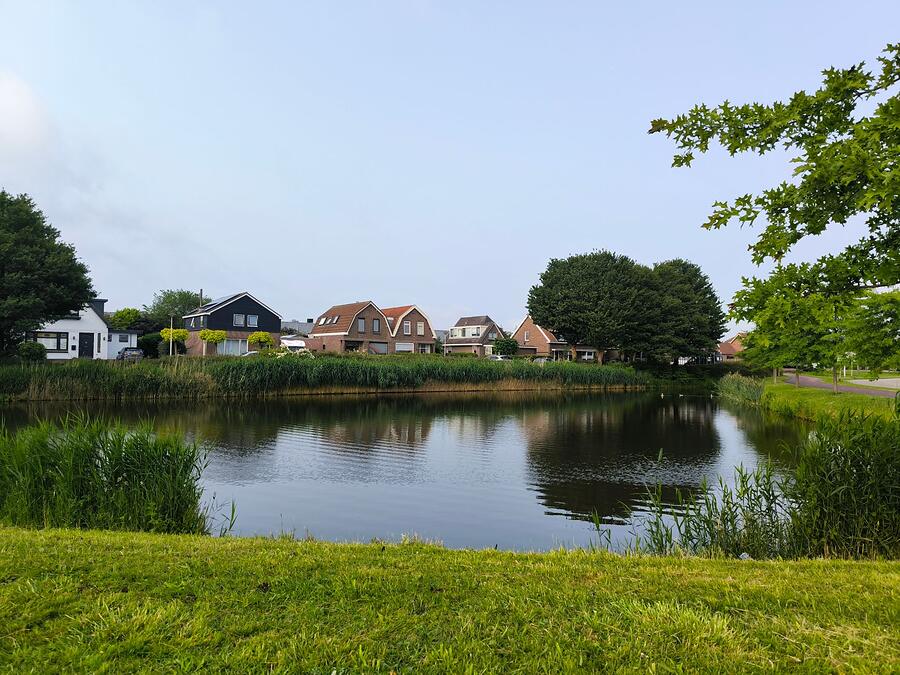
Mice, squirrels, or something else
How the signs differ between the two.
Video: Signs of Mice vs. Squirrels In Your Attic, from Skedaddle Humane Wildlife Control.

Why Meyerland homeowners book through us
Three things matter on a street that has flooded three times since 2015.
-
Raised-house exclusion done under the floor
A lifted Meyerland house has a perimeter the original never had, and the contractor we route inspects the skirting, the pier seats and the new utility drops before the roofline. Every opening is measured against the quarter-inch UF/IFAS rat-proofing standard and closed with hardware cloth, sheet metal or a metal collar. The closure list you receive names each one with the material used, which is what a future buyer of a rebuilt house will ask to see.
UF/IFAS: a quarter inch is the rat-proofing standard; a rat passes a half-inch opening
-
Flood-aware inspection, free
Meyerland is the neighborhood where a rodent check belongs on the post-flood list, and the inspection here costs nothing. The CDC connects leptospirosis case increases to hurricanes and floods, names rodents among the reservoirs, and recommends rodent control as part of prevention after the water recedes. The inspection reads the garage, the attic and the under-floor void for fresh droppings and rub marks, and the quote that follows keeps sealing, trapping and cleanup on separate lines.
CDC: leptospirosis increases after hurricanes and floods; rodent control recommended for prevention
-
Licensed for the bait, checkable before you sign
Every contractor we route holds the TDA structural pest control license the job needs, and the TPCL number on the vehicle can be confirmed with the Texas Department of Agriculture before any work starts. TDA's own rodent flyer tells homeowners to ask for credentials and check the license status before signing a contract. Live trapping alone is exempt from that license in Texas; placing rodenticide bait is licensed work, and a Meyerland job with a bayou behind it usually calls for both trapping and a sealed house.
Texas Department of Agriculture: the pest control license category covers rats and mice
A typical rodent call from a raised house in Meyerland
The situation: A family lifted their 1950s ranch house six feet after Harvey and moved back in. Two winters later they hear running above the kitchen at night and find droppings in the garage, which stayed at grade. A friend tells them every house on the bayou has rats and they are making too much of it, which does nothing for the sleep.
What gets done: Whoever attends walks the skirting first and finds a two-inch gap where the lattice meets a corner pier, plus an unsealed hole where the new water line rises through the floor. The garage-to-house wall has a chewed corner at the slab. On the roof, a cracked mushroom vent seal and an open soffit-to-brick joint over the kitchen are the roof rat entries from a live oak in the side yard. All of it is closed with hardware cloth, sheet metal and a metal collar, snap traps go on the runs in the attic and under the floor the same afternoon, and the quote lists sealing, trapping and a return visit separately.
How it turns out: The traps take three rats in the first week and then go quiet. The return visit finds no fresh droppings, the under-floor screening is checked and photographed, and the family keeps the closure list with the elevation paperwork.
Meyerland rodent questions
Questions that come up on calls from streets along Brays Bayou.
Floods and the bayou
Do rats come into the house every time Brays Bayou floods?
High water empties the burrows in the bank and the storm drains, and the animals move to the nearest dry cover, so a rise in activity after a flood is normal on a Meyerland street. Whether they get into your house depends on the openings they find. A house sealed to the quarter-inch standard gives them nowhere to go and they move on to the next one. A post-flood inspection is free, and the CDC recommends rodent control as part of prevention after floods because of the leptospirosis risk it documents.
My house was raised after Harvey. Is the space underneath a problem?
It can be, and it is the first place whoever attends looks. The skirting around a raised house is usually lattice or siding with vent openings, and the fit at corners, piers and the new utility drops is where gaps appear. Screened with quarter-inch hardware cloth fastened to framing, the void stays open for airflow and closed to rodents. Left as built, it is dry, shaded cover a few feet from the bayou, which is everything a Norway rat wants.
The job and the cost
How much does rat removal cost in Meyerland?
Angi's Houston data puts rat exterminator jobs at about $831 on average, with most homeowners paying $381 to $1,370, and exclusion sealing at $430 to $1,300. Those are typical-job bands, and the free inspection produces the itemized number for your house. A raised house with a long perimeter of skirting to screen sits higher in the exclusion band than an original ranch with four roofline openings. Cleanup after a flood-and-rodent combination is a separate line, and the attic cleanup page explains why Houston attics usually get remove-and-replace.
Should I check the license before the contractor starts?
Yes, and the Texas Department of Agriculture says the same in its rodent control flyer for homeowners: ask for credentials and confirm the license status before signing anything. The contractor we route holds the TDA license, and the TPCL number is displayed on the vehicle. Any job that places rodenticide bait requires that license in Texas. Trapping alone is exempt, so a company offering bait with no license number is the thing to walk away from.
Still have a question? Call (713) 804-8785 and ask.