Commercial Rodent Control in Houston, TX
Rodent control for Houston restaurants, warehouses, apartment communities and medical offices, built on sealing the building and keeping the paperwork an inspector will ask for. Licensed contractors handle every job we route.
- Exclusion before bait
- Service records for inspections
- Free site inspection first
What commercial rodent control in Houston includes
Commercial rodent control in Houston is a site survey, sealing of the building shell, trapping or baiting matched to the type of premises, and a written service record kept on site so the next health, fire or corporate inspection has something to read. The scope comes from a site survey, and the survey is free.
A commercial job differs from a house in two ways. The building is larger and has more openings at ground level: dock doors, roll-up doors, dumpster enclosures, grease trap lids, conduit runs and slab edges that have settled. And the customer needs proof. A restaurant owner wants to show the Houston Health Department that a rodent complaint was handled. A warehouse manager wants a log for a corporate audit. A property manager wants a paper trail before a tenant dispute reaches a lawyer. The contractor we route builds the job around both.
- A walk of the exterior, the roofline, the dock and dumpster areas, and every interior room with food, product or utility access
- A map of entry points with each opening measured against a quarter inch, the rat-proofing figure UF/IFAS publishes
- Sealing with galvanized hardware cloth, sheet metal, door sweeps and mortar, listed line by line on the quote
- Snap traps and multi-catch stations indoors; tamper-resistant bait stations outdoors where rodenticide is appropriate and permitted
- Follow-up visits on a stated schedule, with every station checked and logged
- A service binder or digital log with dates, findings, materials and applicator details
Related pages cover rodent exclusion in more depth and the rodent clearance letters that a sale, a lease or a franchise audit sometimes calls for.

Restaurants, warehouses, multifamily and medical offices
Each kind of Houston commercial property has its own rodent problem, and the program is different for each. What follows is what the contractor we route looks for on the first visit at each type.
Restaurants and food service
Restaurants draw rodents with grease, food waste and warm equipment, and the back of house is where the problem lives. The usual openings are the gap under the rear door, the dumpster pad, the grease trap, conduit and gas line penetrations behind the cook line, and the ceiling grid where a roof rat drops in from the parapet. Food establishments inside the city limits are inspected by the Houston Health Department, whose Bureau of Consumer Health Services carries out routine inspections at restaurants, grocery stores, bars, bakeries and mobile units and publishes the reports online. A restaurant that has been written up for rodent evidence needs the sealing done and the record in hand before the reinspection.
Warehouses and distribution
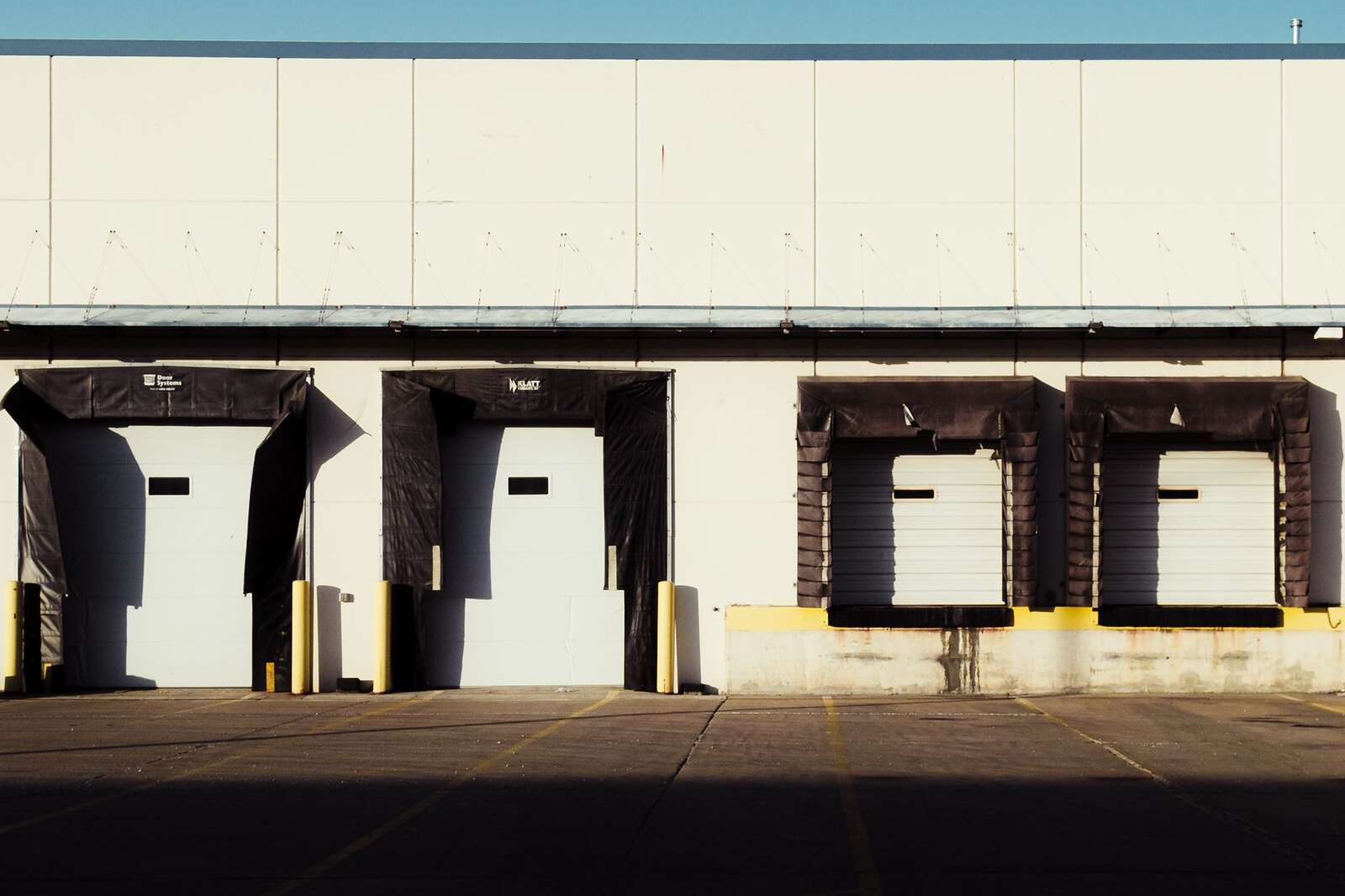
Warehouses have the most ground-level openings of any building type, and Norway rats take advantage of every one. Dock levelers, roll-up door edges, the seam where a tilt-wall panel meets the slab, and the gaps around fire sprinkler risers are the common routes. Racked product gives cover, and a pallet of grain, pet food or paper goods is both food and nesting. Bait stations run the fence line and the exterior wall; snap traps and glue boards run the interior wall at the base of the racking.
Apartment communities and condominiums
Multifamily rodent work is exclusion at scale, because sealing one unit while the building shell stays open moves the animals next door. The contractor we route treats the building as one envelope: shared attics over garden-style walk-ups, breezeway soffits, the trash compactor enclosure, and the utility chases that run floor to floor. Older inner-loop fourplexes on pier-and-beam foundations add a crawl space to the list; suburban slab complexes shift the attention to rooflines and the brick-veneer weep gaps. Tenant complaints become a log entry with a date, which matters when a lease dispute turns on who reported what and when.
Medical and dental offices
Medical offices carry the lowest tolerance for rodent evidence of any premises type and usually the least visible food. Sharps rooms, break rooms, supply closets with boxed consumables and the plenum above a drop ceiling are the areas checked first. Snap traps and mechanical stations are preferred indoors. Rodenticide is kept outside in locked stations, and the service log is written for a clinic administrator or accreditation reviewer to read.
Signs a Houston business has rodents
The first sign at most commercial sites is droppings along a wall where product or equipment meets the floor, found by a night porter or a line cook before anyone sees an animal. The rest of the evidence follows a pattern by species.
- Droppings: roof rat droppings are a quarter to half an inch long, banana shaped with pointed ends, per UF/IFAS. Norway rat droppings are blunter and larger. Fresh droppings are dark and soft; old ones are gray and crumble.
- Rub marks: greasy smears along a wall base, a pipe or a beam at the height of a rat body, from oil and dirt in the fur.
- Gnawing on the corners of cardboard cases, on plastic food bins, on door sweeps and on the insulation of electrical wire.
- Burrows in mulch beds, under dumpster pads and along the slab edge, which point to Norway rats living outside and feeding inside.
- Noise above a drop ceiling after closing, which points to roof rats in the plenum or the attic.
- A dead animal odor with no visible carcass, often a rat that fed on someone else's bait and died in a wall. The dead rodent removal page covers that.
- Product loss: torn bags, contaminated cases, a walk-in pantry that has to be cleared and rechecked.
A single dropping on an inspection report is enough to trigger a follow-up. For an owner it is also the moment the building stops feeling like theirs, which is a reasonable thing to feel about a place where the staff eat lunch and customers sit.
Exclusion first, then trapping and bait matched to the premises
Sealing the building comes first on every commercial job, because bait and traps at an unsealed premises turn the site into a feeding station that keeps drawing new animals in from the neighboring lot. The sequence is survey, seal, remove, verify, and then a maintenance schedule sized to the risk.
| Method | Where it fits on a commercial site | What to know |
|---|---|---|
| Exclusion (hardware cloth, sheet metal, door sweeps, mortar) | Every site, first | Permanent when the material is metal and fastened to the structure. Foam alone gets chewed and hides the hole. |
| Snap traps and multi-catch stations | Interior walls, kitchens, medical offices, food storage | Bodies are recovered, so no carcass rots in a wall. UF/IFAS advises leaving traps in place at least a week because roof rats avoid new objects. |
| Tamper-resistant bait stations | Exterior walls, fence lines, dock areas, dumpster pads | Requires a TDA-licensed applicator. EPA notes most rodenticides are anticoagulants and death typically follows 4 days to 2 weeks after feeding begins, which is why bait belongs outdoors. |
| Glue boards | Monitoring along interior walls | Useful to confirm activity and species; a poor primary control on their own. |
| Sanitation and storage changes | Every site | Lidded dumpsters, sealed bins, product off the floor and away from the wall, drain covers, grease trap maintenance. |
Interior rodenticide is avoided at food service and medical sites. A poisoned rat that dies above a dining room ceiling or in a clinic wall creates a second problem that costs more to fix than the first. The contractors we route use traps inside and locked stations outside, and they log which is which.
Documentation for health inspections and audits
A commercial rodent program produces a record, and the record is often the reason the business called. The contractor we route leaves a log that a health inspector, a fire marshal, a franchise auditor or a landlord can read without a phone call.
Inside the City of Houston, retail food establishments are inspected by the Houston Health Department. Its Bureau of Consumer Health Services runs the routine inspections and the complaint investigations, and the reports are searchable online by establishment name and zip code, which means a rodent finding on a report is public. Restaurants outside the city limits, in Pasadena, Katy, Sugar Land or the unincorporated county, answer to their own city or county health authority, and the record they need is the same.
The log the contractor keeps on site should include:
- A site map with every trap and bait station numbered and located
- A dated entry for each visit: stations checked, activity found, animals removed, bait replaced
- The product label and safety data sheet for any rodenticide in use
- The applicator's name and the business TPCL number
- A list of exclusion repairs completed, with the material and location of each
- Open items: repairs recommended and awaiting approval, sanitation changes for the operator
An inspector who sees an active program with dated entries and completed sealing treats a rodent complaint differently from one who sees nothing. That difference is worth more than the cost of the visits.
How long does it take to get rid of rats in a commercial building?
A commercial site with the shell sealed on the first visit is usually quiet inside two to four weeks, and a site that cannot be sealed quickly, such as a warehouse with dock doors open all day, is managed on an ongoing schedule instead of cured. HomeGuide puts trapping a small number of animals at 2 to 3 days and a severe infestation at 1 to 2 months, and commercial sites tend toward the long end because they are bigger and busier.
Three things stretch the timeline. Openings that cannot be closed for operational reasons, like a dock door that stays up through a shift. A neighboring property that is feeding the population, which is common along a strip center or an industrial row. And bait placed before sealing, which keeps animals coming until the sealing catches up. The fix for all three is the same: close what can be closed, run exterior stations for what cannot, and keep the log.
Roof rats reach maturity at 3 to 4 months and produce litters of 5 to 8 after a 21 to 23 day gestation, according to UF/IFAS, and Houston has no winter die-off, so an untreated site is growing the whole time. The best time to start was the first dropping.
What commercial rodent control costs in Houston
Commercial rodent work in Houston is priced by the site survey, and the residential bands below are the starting reference: Angi puts a Houston rat exterminator job at about $831 on average with most customers paying $381 to $1,370, and exclusion at $430 to $1,300. A restaurant with a sealed kitchen and four exterior stations sits near those figures; a distribution warehouse with a long fence line and a dozen dock doors sits well above them.
| Line item | Houston (Angi) | National (HomeGuide 2026) |
|---|---|---|
| Site inspection | Free here ($100 to $200 elsewhere) | $0 to $175 |
| Trapping and removal | $381 to $1,370 typical, about $831 average | $250 to $1,200 |
| Exclusion sealing | $430 to $1,300 | $500 to $2,500 |
| Follow-up visits | $50 to $150 each | Included in some plans; ask |
| Dead rodent removal | Ask at survey | $150 to $500 |
| Attic or ceiling cleanup | Ask at survey | $600 to $2,500 |
What moves a commercial quote: square footage and linear feet of exterior wall, the number of dock and roll-up doors, the number of exterior stations, whether the roofline and parapet need sealing, the visit frequency the operator wants, and whether the job includes ceiling or attic cleanup. Ask for the sealing, the initial removal and the recurring service as separate lines. A single monthly number with no breakdown is the quote that homeowners and managers in forums most often regret.
Commercial rodent pressure across Houston
Houston commercial rodent pressure is highest where food, water and cover meet: along the bayous, around the Ship Channel and the industrial east side, and behind any restaurant row with an open dumpster. The species split matters for the program.
Norway rats at ground level
Norway rats burrow along slab edges, under dumpster pads, in mulch beds and along the banks of Buffalo, White Oak, Brays, Sims and Greens bayous, and those corridors run rodents across the city. A warehouse or plant on the east side, in Pasadena, Channelview or Baytown near the Ship Channel, has the sewer network, rail lines, drainage ditches and stored product that Norway rats want. Their entry is low: dock doors, the panel-to-slab seam, drain lines and conduit. Sealing there is door sweeps, sheet metal at the seam and hardware cloth at every ground-level penetration.
Roof rats above the ceiling
Roof rats climb, and a strip center under live oaks or a restaurant with a vine-covered patio wall gets them in at the parapet, the rooftop equipment curbs and the soffit. Above a drop ceiling they run the plenum from tenant to tenant. Houston sun cracks the rubber boots on roof penetrations within a few years, and every cracked boot is a door.
Heat, humidity and season
Rodents breed year-round in Houston. Calls still rise in October through December as night temperatures drop and rats commit to indoor nesting, and after a flood, when water pushes them out of burrows and storm drains. The post-storm rodent inspection page explains what to check after a storm.
Licensing
Any business that controls rats and mice for hire in Texas needs a business license from the Texas Department of Agriculture, Structural Pest Control Service, and a certified applicator; the TPCL number is displayed on the vehicle. Since 2009, live trapping alone has been exempt under Occupations Code Sec. 1951.058, but placing rodenticide bait, which most commercial programs include, requires the license. Every contractor we route holds the TDA license the job needs.
What to check before signing a commercial service agreement
A commercial rodent contract should state the sealing scope, the station count and locations, the visit frequency, the log format and the applicator's TPCL number, and a proposal missing any of those is a proposal for a monthly fee with nothing behind it. Ask for these before the first visit.
- The business TPCL number, confirmed with the Texas Department of Agriculture before work starts. TDA's own consumer guidance says to check license status before signing.
- An itemized quote: exclusion repairs by location and material, initial removal, recurring service, and any cleanup as separate lines.
- Which repairs are included and which are recommended for the operator or the landlord to arrange.
- How many follow-up visits the price covers and what an extra call-out costs.
- What the warranty on the sealing work says, how long it runs, and whether it renews.
- Whether the log stays on site, what it contains and who signs it.
- Proof of general liability insurance, since the contractor will be on a ladder and in a kitchen.
The about page describes what the contractors we route are expected to put on paper, and the contact page has the phone line, which is answered 24 hours a day.
Services that usually go with this one
Most Houston jobs run as a sequence, and these pages describe the steps on either side of this one.
- Rodent Exclusion: Closing the roofline, brick weeps, vent boots and crawl-space skirting in steel and metal.
- Rodent Clearance Letters: A written inspection report for a sale, a lease, an HOA dispute or an insurance file.
- Post-Storm Rodent Inspection: A roofline and harborage check after a hurricane or flood, before the fall attic peak.
How the pieces fit together is covered on the about page, or by phone at any hour.
Pest control in a food premises
The standard a commercial kitchen is held to.
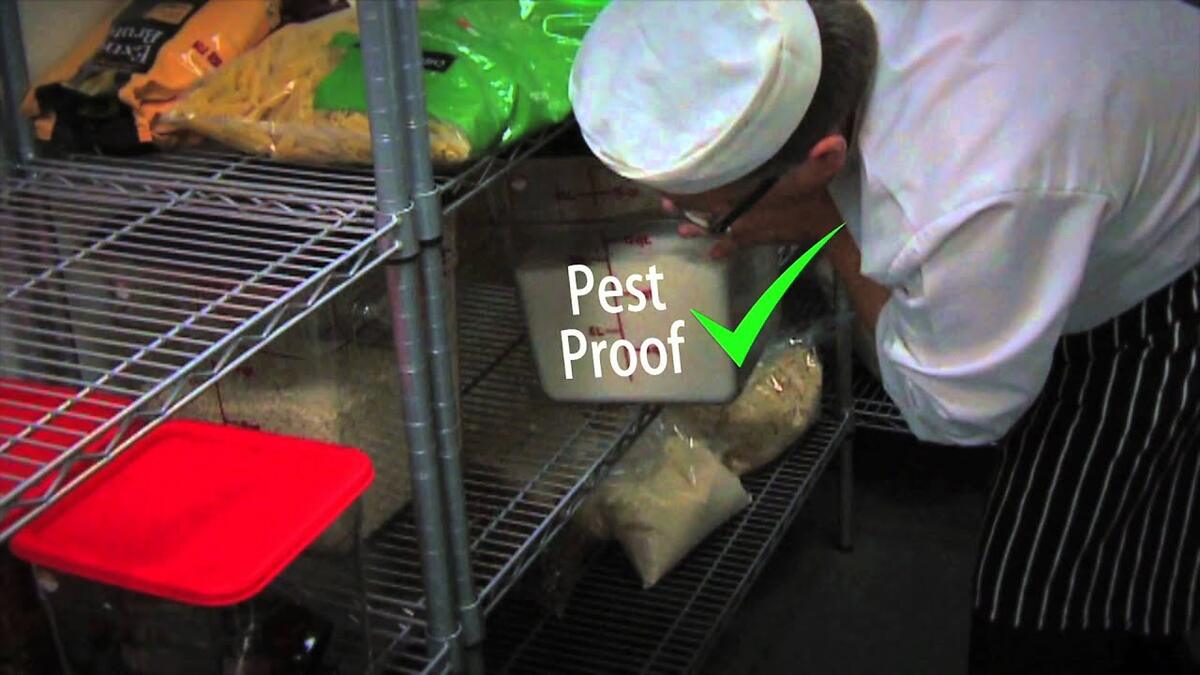
Video: Food safety coaching: pest control, from Food Standards Agency.
How a commercial rodent job runs in Houston
The building shell is sealed first and the program is built around keeping it sealed.
-
Site survey and map
Whoever attends walks the exterior, the roofline, the docks and every interior area, measures each opening and maps the activity. The findings come back as an itemized proposal.
-
Sealing the shell
Door sweeps, sheet metal at slab seams, hardware cloth at penetrations and vents, and mortar at conduit runs close the openings that can be closed. Operational openings get stations instead.
-
Removal inside, stations outside
Snap traps and multi-catch stations run the interior walls; locked bait stations run the exterior. Each is numbered on the map and checked on schedule.
-
Log and follow-up
Every visit is entered in the on-site log with findings and materials. The schedule is adjusted as activity falls, and the record stays with the building.
Why Houston businesses route rodent work through us
Three things a commercial customer gets from the contractors we route.
-
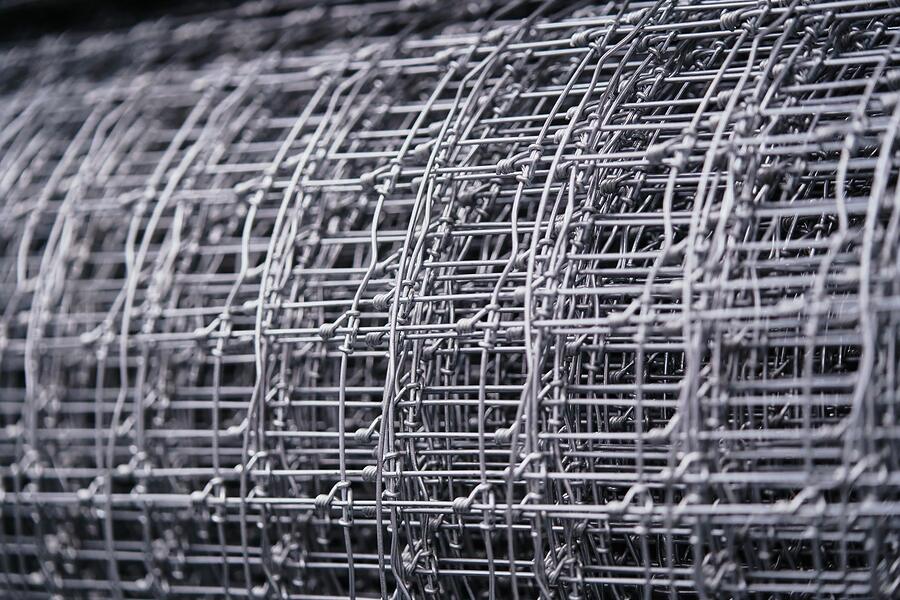
Sealing measured to a quarter inch, listed by location
The contractor we route measures every opening on the building against the quarter inch that UF/IFAS gives as the rat-proofing standard, closes each with galvanized hardware cloth, sheet metal or mortar, and lists the repairs by location and material on the quote. Bait stations go outside and traps go inside. A monthly fee with no sealing behind it keeps a site on the treadmill; a sealed shell with a maintenance schedule gets it off.
UF/IFAS: a quarter inch is the rat-proofing standard
-
A log written for the inspector
Every visit is entered with the date, the stations checked, activity found, bait or traps replaced and the applicator's TPCL number, and the log stays on the premises. Inside the city, food establishment inspections are carried out by the Houston Health Department and the reports are public, so a restaurant needs to show what was done and when. A warehouse audit or a property manager's file has the same need.
Houston Health Department: retail food inspections are conducted by its Bureau of Consumer Health Services and reports are published online
-
Houston pricing in separate lines
Houston rat exterminator jobs average about $831 in Angi's data, with most customers paying $381 to $1,370 and exclusion running $430 to $1,300, and the proposal you receive splits sealing, initial removal, recurring visits and any cleanup so the numbers can be compared with another bid. The site survey that produces the proposal is free.
Angi Houston: rat exterminator jobs $381 to $1,370, exclusion $430 to $1,300
What Reddit Says About Commercial Rodent Control in Houston
Homeowner and small-business threads on r/pestcontrol and r/HomeImprovement treat a rodent quote as unreadable until it is broken into parts, and the advice repeated most is to get several bids for the same scope and to insist that sealing, trapping and any cleanup are priced separately. People ask each other whether the company does the repair work itself or only sets traps and hands the sealing to someone else, and they prefer a local operator to a national brand almost every time.
The warnings are consistent. A plan that is all bait and no sealing is described as harvesting rodents, and the line that poisoned rats go outside to look for water is called out as a myth. Long monitoring contracts folded into a removal price draw complaints, with one thread quoting a monthly fee plus a bimonthly charge that the customer had never agreed to in those terms. Companies that keep returning for months with no change in results are the other recurring grievance, along with quotes for similar work that range from under two thousand dollars to tens of thousands.
The questions they pass around apply directly to a commercial agreement: what exactly is included and what is a separate line, whether the sealing is warrantied and for how long, how many follow-up visits are in the price, whether the company cleans and decontaminates or only traps, and what happens if the animals come back. Timelines come up too. Two months is described as normal and four months with no result appears, which is what happens when the sealing never gets done.
The contractors we route quote sealing as its own line, keep the log on site and answer the warranty question in writing before the first station goes in.
A typical commercial rodent call on Houston's east side
The situation: A family-run taqueria in a strip center off a major road on the east side gets a rodent notation on a routine city health inspection after the inspector finds droppings behind the reach-in cooler and a gnawed bag of masa in dry storage. The owner has a reinspection coming and a previous pest company that has been billing monthly for a year without ever going on the roof or behind the dumpster enclosure. Nobody on the staff wants to open the kitchen in the morning.
What gets done: Whoever attends finds a Norway rat burrow under the dumpster pad and a worn sweep on the rear door with daylight under it, plus a gap where the gas line enters behind the cook line and an open conduit into the plenum above the drop ceiling. The rear door gets a new sweep and a kick plate, the gas and conduit penetrations get hardware cloth and mortar, and the burrow is collapsed after two locked bait stations go on the exterior wall near the enclosure. Snap traps go along the dry storage wall and behind the cooler and stay a week. The owner gets a station map, a dated visit log with the applicator's TPCL number, a list of the four repairs with materials, and a note recommending a lidded dumpster and product on shelving off the floor.
How it turns out: The traps take three rats in the first few nights, the bait stations show feeding for two weeks and then stop, and the return visit finds no fresh droppings. At the reinspection the owner hands over the log and the repair list. The monthly agreement that follows is written around checking the stations and the seals, with the visit count and the price on separate lines.
Commercial rodent control questions from Houston businesses
The questions below come from the phone line and from business owners and managers in online threads.
The program
Do I need a monthly pest contract for rodents, or a one-time job?
A building that can be fully sealed usually needs a one-time exclusion and removal job plus a light maintenance schedule, and a building with doors that stay open, like a warehouse or a loading kitchen, needs ongoing exterior stations checked on a schedule. The difference is decided at the free survey. What to avoid is a monthly fee with no sealing behind it, which keeps animals coming and keeps the invoices coming with them. Ask that the initial sealing, the removal and the recurring service be quoted as separate lines so you can see what each costs.
Can rodenticide be used inside a restaurant or clinic?
It can be legal in some placements, and it is a poor idea in a kitchen or a medical office. EPA notes that most rodenticides are anticoagulants and that death typically follows 4 days to 2 weeks after feeding begins, which means a poisoned rat is likely to die inside a wall or above a ceiling. The contractors we route keep bait in locked, tamper-resistant stations on the exterior and use snap traps and multi-catch stations indoors, where the animal is recovered. Any bait placement requires a TDA-licensed applicator, and the product label and safety data sheet go in the on-site log.
How fast can someone come out to a business?
The phone line is answered 24 hours a day, and the site survey that starts the job is free. Scheduling depends on the contractor routed to the property and the size of the site. When you call, have ready the type of premises, the square footage, whether there is an inspection date coming, and what has been seen and where. That lets the survey be scoped properly and lets whoever attends bring the right materials on the first visit.
Inspections and records
What does a health inspector want to see about rodent control?
An inspector wants to see that the evidence is gone and that a program exists to keep it gone: no droppings, no gnawed product, sealed openings, and a dated service record. Inside the City of Houston, food establishment inspections are conducted by the Houston Health Department and the reports are published online. The log the contractor we route leaves on site includes a station map, dated visit entries, the applicator's TPCL number, product labels for any bait, and a list of exclusion repairs by location. Keep it where the manager on duty can find it.
Who is responsible for rodents in a leased commercial space, the tenant or the landlord?
The lease decides. Many commercial leases put interior pest control on the tenant and structural repairs on the landlord, which is exactly the split a rodent job crosses. The sealing of the building shell, a dock door, a slab seam or a roof penetration is usually a landlord repair; the traps, stations and interior sanitation are usually the tenant's. An itemized proposal that separates exclusion repairs from service is what lets both parties see their share. The service log also settles later arguments about when the problem was reported and what was done.
Still have a question? Call (713) 804-8785 and ask.